What Is a Group Interview (and How to Stand Out in One)?
What a group interview is, why companies run them, the two main formats, and exactly how to stand out without steamrolling the other candidates.
What Is a Group Interview (and How to Stand Out in One)?
A group interview is when an employer interviews several candidates together, often around a shared discussion or task, instead of one at a time. Companies use the format to hire at volume and to watch how you behave around other people under real pressure — not just what you say when no one else is in the room.
What is a group interview?
At its core, a group interview means multiple candidates are assessed side by side in one session — in a room or on a single video call — through a shared task, a discussion prompt, or a round of questions everyone answers in turn. It's a deliberate format employers choose when the job depends on how you work with people, not just what's on your resume.
You'll see it most in retail, hospitality, call centers, and graduate programs, where a company needs to fill many similar roles fast. You'll also hit a lighter version at consulting firms, where a group case study is one stage in a longer process. Either way, you're being evaluated in relation to other people, live, with no do-overs.
The skill being tested is rarely "can you answer the question correctly." It's "can you hold your own, read a room, and make the people around you better" — a different muscle than a solo Q&A rewards.
Why companies run them
Group interviews are efficient and revealing at once — they let an employer screen a dozen candidates in the time a handful of solo interviews would take, while surfacing behavior a one-on-one conversation can't. That's the whole appeal, and why the format persists even though candidates would rather skip it.
The volume math is straightforward. A retailer opening a new store, or a company running a graduate scheme, might need to fill twenty or more near-identical roles at once. Interviewing each candidate solo for thirty minutes doesn't scale; putting eight of them in a room for ninety minutes does.
The behavioral payoff is the real prize, though. In a one-on-one, you control the narrative — you tell a polished story about being a team player. In a group, the interviewer just watches whether you actually are one: do you interrupt, do you go quiet, do you make space for someone struggling to get a word in.
Speed compounds it. A hiring manager can eliminate half the room in one session and move the rest straight into a behavioral questions round — the group stage is often less about picking a winner than about cutting a large pool down to size.
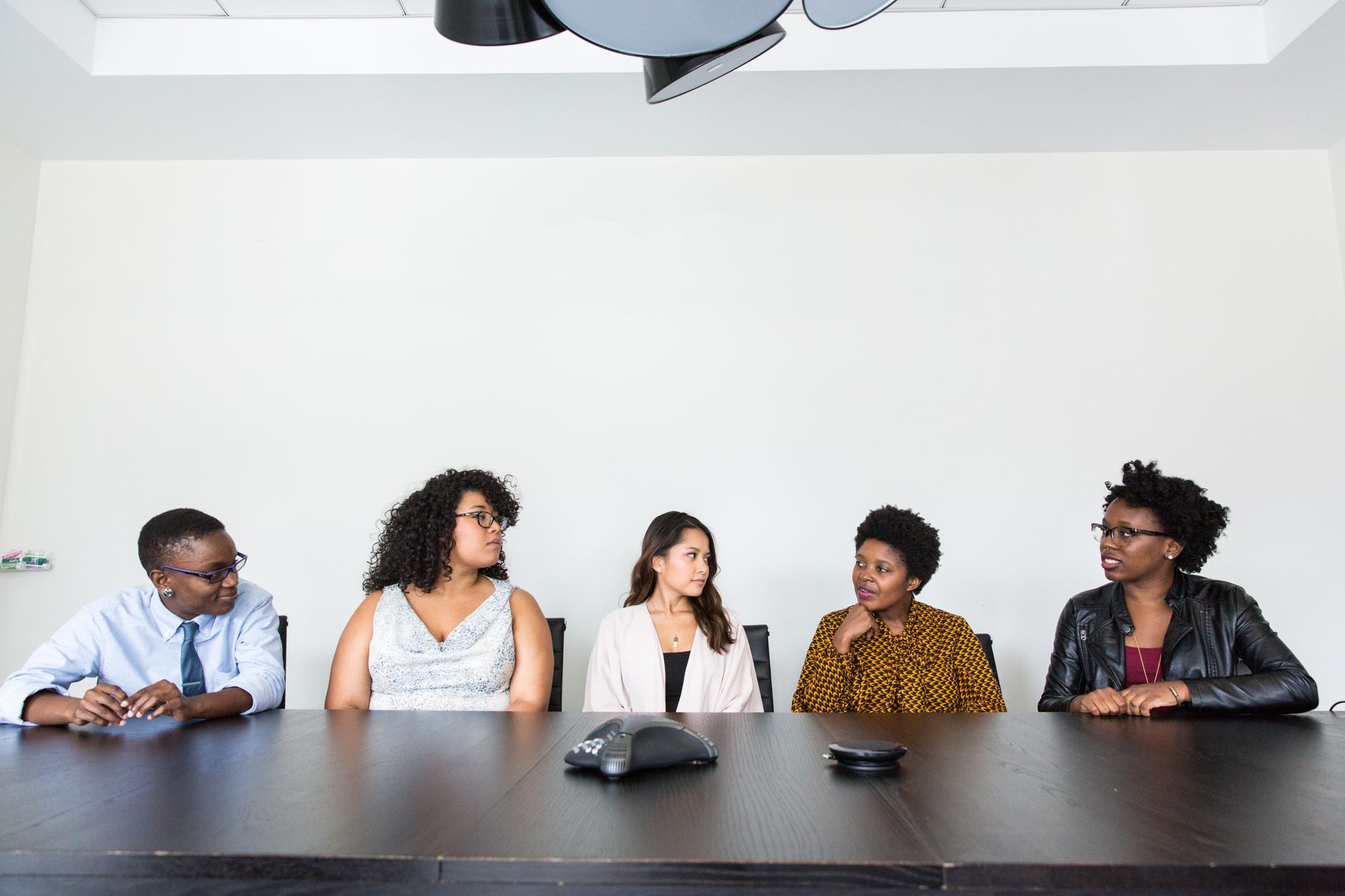
The two main formats
Know which one you're walking into, because each rewards different behavior. "Group interview" gets used loosely, but it almost always means one of two distinct setups — confuse them and you'll prep for the wrong thing.
- Panel-style: several interviewers question one candidate at a time — really a one-on-one interview with more people on the other side of the table. The pressure comes from managing multiple personalities at once, not from competing candidates.
- True group: several candidates are evaluated together, usually with a shared discussion topic, a case study, or a task with a deliverable. This is where peer dynamics matter most — you're watched next to the people you might be competing with for the job.
Prep diverges accordingly. For panel-style, prepare as you would for any interview, then add one habit: answer to the person who asked, but glance at the others so nobody feels shut out. For a true group task, prepare less content and more posture — a clearer plan for how you'll behave when five other people are also trying to be heard.
If the invitation doesn't specify which one it is, ask the recruiter. It's a fair question, and the answer changes how you spend your prep time.
How to stand out without steamrolling
The candidate who gets hired out of a group interview is almost always the collaborative one, not the loudest one. Interviewers have watched the dominant-talker move play out a hundred times, and it reads as a red flag — nobody wants to manage that person on a real team.
The move that works is contributing early, then deliberately making room. Say something substantive in the first few minutes, then hand the conversation to someone quieter: "That's a solid starting point — [name], what's your take, given your background in X?" You've just shown a point of view and the social awareness to include people, which covers most of the test.
Build on other people's ideas out loud, and use their names. "Building on what Priya said" costs you nothing and does two things: it proves you were listening instead of rehearsing your next line, and it turns Priya into an ally instead of a rival.
Airtime is a trap. Candidates assume more speaking time reads as more competence, so they interrupt to grab it, and interviewers notice the pattern every time. One sharp, well-timed point beats five scattered ones — say less, and let the pause after it do some of the work for you.
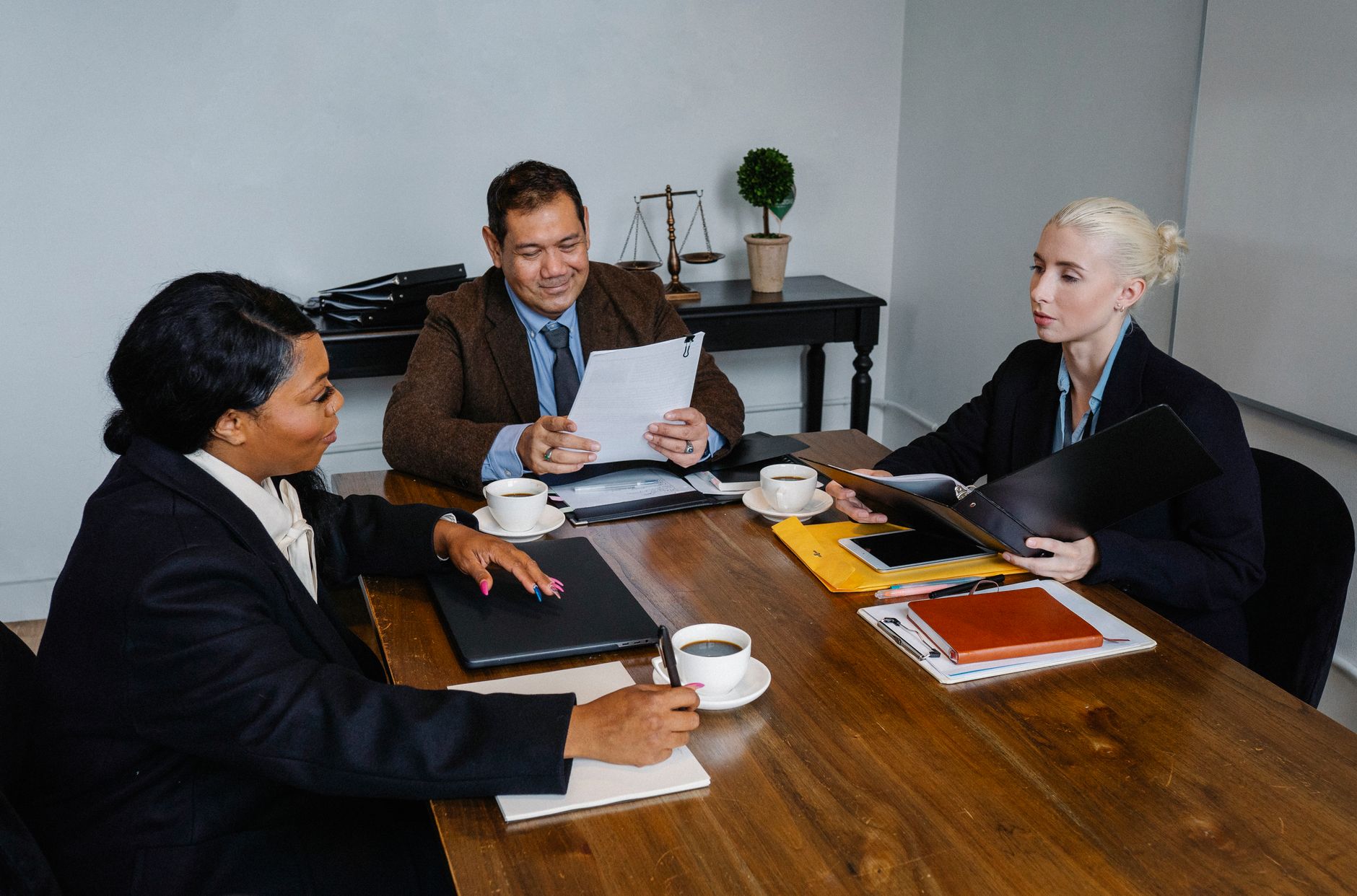
What to do in the group task
Group tasks reward a specific, learnable set of behaviors, not raw cleverness. Once you know what's being watched for, the exercise gets a lot less nerve-wracking, because you stop trying to have the single best idea in the room.
Start by clarifying the goal. Most groups dive into solving the puzzle and burn through half the time before anyone confirms what "done" looks like. Being the one who says "are we optimizing for the best idea, or for consensus in time?" signals structured thinking in the first thirty seconds — a low-risk way to speak first without a fully formed opinion yet.
Take a functional role rather than fighting for the informal leader label. Someone needs to track time, someone needs to summarize where the group has landed, someone needs to pull in the person who hasn't spoken. Any of those roles gets you noticed as useful without requiring you to out-argue anyone — "summarizer" in particular makes you look like you're steering the group without dominating it.
Stay calm when the group gets messy, because at some point it will. Someone will talk over someone else, the clock will run out, an idea will get shot down bluntly — how you handle friction is more diagnostic than how you handle the easy parts. Staying kind and useful under that friction is the single clearest signal interviewers say they're looking for.
One more thing worth doing if the session ends with open floor time: have a genuinely good question ready. The same questions to ask interviewer you'd bring to a normal interview work here too, and asking one shows you were thinking about the role the whole time, not just the task.
A group interview is a compressed, high-stakes performance, and most of what trips candidates up isn't a shortage of ideas — it's never having rehearsed how to show up under real-time social pressure. Land the Offer with AI walks through that kind of rehearsal, using AI as a practice partner to drill your talking points and your composure before the stakes are real, so the group room becomes the second time you've handled the moment, not the first.
Frequently Asked Questions
What happens in a group interview?
Several candidates are interviewed together, usually with a discussion or a shared task. Employers watch how you collaborate, communicate, and lead in real time.
How do you stand out in a group interview?
Contribute a sharp point early, then pull quieter people in and build on others' ideas by name. Interviewers reward collaboration, not the person who talks most.
Does a group interview mean you got the job?
No. It's usually an early, high-volume screening stage. Strong performers move on to a one-on-one round, so treat it as a filter, not an offer.
How do I prepare for a group interview?
Prepare a few concise stories, plan to speak early, and rehearse staying calm inside a task. Decide in advance to be the collaborative, useful voice in the room.