Starbucks Interview Questions (and How to Pass)
Common Starbucks interview questions and how to answer them — what the barista interview really tests, example answers, and how to show you fit the culture.
Starbucks interviews run behavioral, not technical: expect questions about a busy rush, a mistake you owned, a difficult customer, and why Starbucks specifically. There's no coffee quiz. Hiring managers are reading for warmth, reliability, and whether you'll hold your composure with a line out the door — everything else is trainable.
What questions does Starbucks ask in an interview?
Most Starbucks interviews are behavioral and customer-focused: how you handle a rush, a rude customer, a mistake, and why you want to work there. They're screening for warmth, reliability, and teamwork more than coffee knowledge.
The format is usually one 20–30 minute conversation with a shift supervisor or store manager. It's rarely a panel and almost never adversarial — Starbucks wants to see the version of you that customers will see, so a relaxed, friendly tone matters as much as your answers.
Expect a mix of classic behavioral prompts ("tell me about a time…") plus a few direct ones: why Starbucks, what hours you can work, and whether you've handled a fast-paced environment before. Some interviewers add a light scenario question — a mobile-order pileup, a complaint at the handoff counter — to see how you think under pressure, not to test your recipe memory.
If you're coming from outside food service, don't panic about not having "the right" stories. A retail shift, a group project, a volunteer stint — anything where you dealt with people under time pressure counts. Specificity matters far more than whether it happened at a coffee shop; Chipotle interview questions offer another example of how service employers assess those stories.
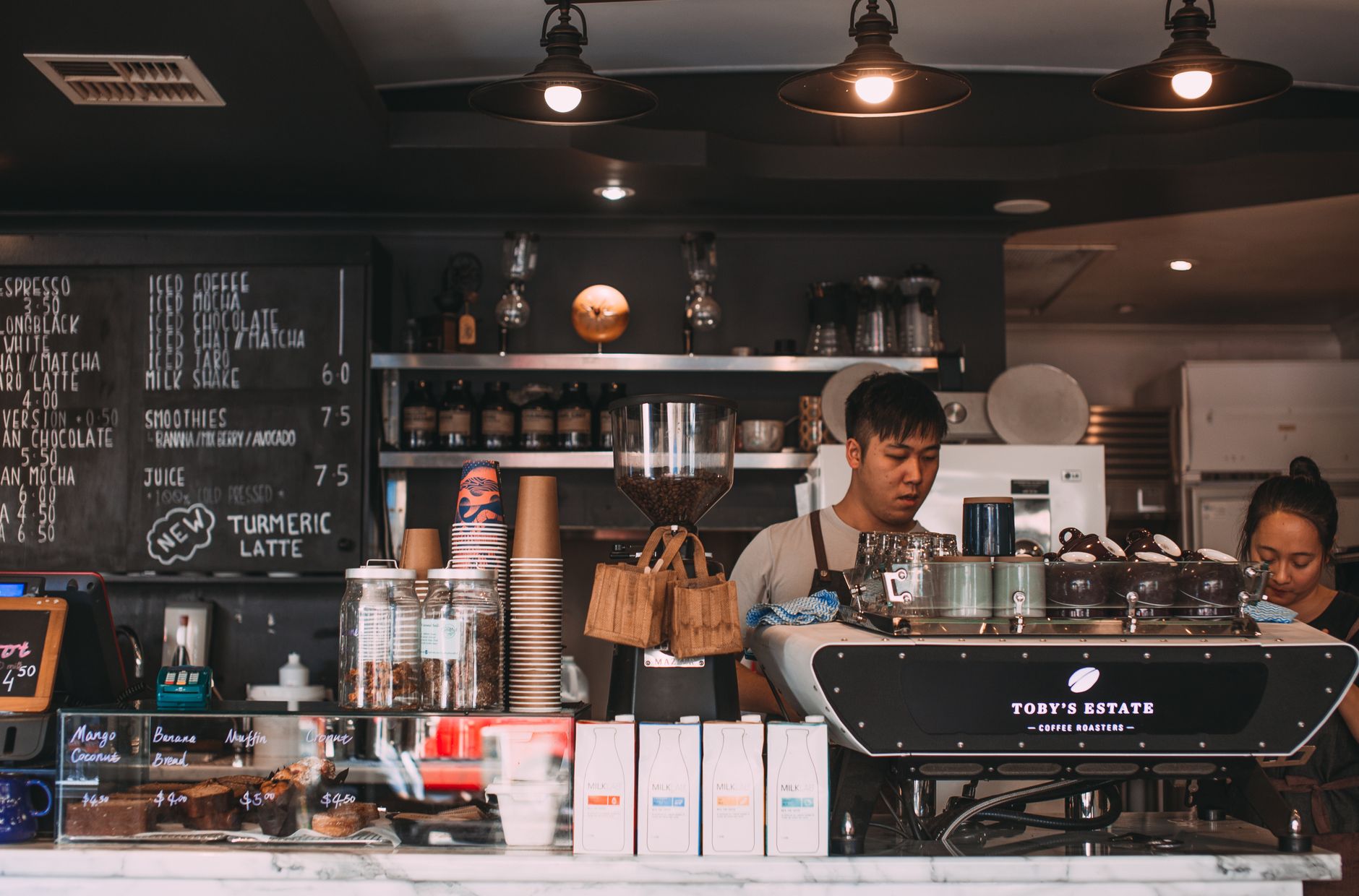
What the barista interview actually tests
Starbucks hires for attitude and trains for skill. You'll learn the drink recipes, the register, and the bar choreography in your first few shifts — nobody expects you to walk in already knowing any of it. What the interview actually probes is harder to teach.
Customer connection under pressure is the big one. Starbucks built its business on being the "third place" between home and work, and that experience lives or dies on whether the person behind the counter seems genuinely glad you're there — especially at 8:15 a.m. with a dozen people in line. Interviewers are listening for whether you talk about customers as people you noticed, not obstacles you got through.
Reliability and teamwork come next. A shift runs on a handful of people moving in sync across bar, register, mobile orders, and drive-thru. One no-show or one person who won't step outside their lane wrecks the whole rush. Expect questions that quietly test whether you show up on time, pitch in where you're needed, and speak up when something's going wrong.
Coachability matters more than most candidates realize. You'll be corrected constantly in your first few weeks — recipe tweaks, speed notes, customization requests — and Starbucks wants people who take that in stride instead of getting defensive. A story where you took feedback and visibly improved says more than a story where you claim you never make mistakes.
Common questions and how to answer
Prepare short stories for the classics — three or four solid ones cover almost every question you'll actually get asked. Have them ready before you walk in, not improvised on the spot.
"Tell me about a time you gave great customer service." Pick a moment where you noticed something the person didn't ask for and did it anyway — remembered an order, solved a problem before it became a complaint, made someone's rough day a little better. Keep it to 60–90 seconds and end on the outcome, not just the effort you put in.
"How would you handle a difficult customer?" Interviewers want to hear that you stay calm, listen first, and don't take it personally — then loop in a manager if things escalate past what you can fix on your own. Avoid any answer that sounds like you'd argue back or lecture someone on policy while they're already upset. The listen–acknowledge–fix–escalate sequence in our McDonald's interview guide works for a café too. De-escalating beats being technically right.
"Why Starbucks?" This is the question people wing and shouldn't. "I like coffee" is forgettable — the interviewer has heard it a thousand times. Tie your reason to something specific: the team-first culture, a real path forward, or simply that you've watched how this store treats its regulars and want to be part of that. Have a couple of thoughtful questions of your own ready too — a short list of smart questions to ask them signals you're evaluating fit, not just hoping to get picked. If you're weighing a bigger pivot, this 30-day career change evidence plan can help you test the move before you leap.
Example answers
Keep them specific and a little warm — a real answer with one concrete detail beats a polished-sounding generic one every time.
A service-recovery story: "At my last job, a customer's order came out wrong twice in a row and she was clearly about to walk out annoyed. I apologized, remade it myself while she watched so she knew it was right this time, and threw in something extra. She came back the next week and asked for me by name. Fixing the mistake fast matters less than making the person feel heard while you do it."
A teamwork-under-a-rush story: "During finals week at the café where I worked, we'd get slammed for two hours straight every morning. I noticed our slowest point was always the espresso bar, so during any lull I started restocking cups and milk ahead of time so whoever was on bar never had to stop mid-rush to grab something. It shaved real time off every order and kept the whole line moving."
A genuine "why Starbucks" hook: "I've worked retail before, but I want somewhere that treats it like a real job with a future, not just hours to fill. I've heard from people who work here that there's an actual path from barista to shift supervisor to store manager, and I want to be somewhere that rewards showing up." Adjust the specifics to something true about you — a fabricated reason is easy for an experienced interviewer to spot.
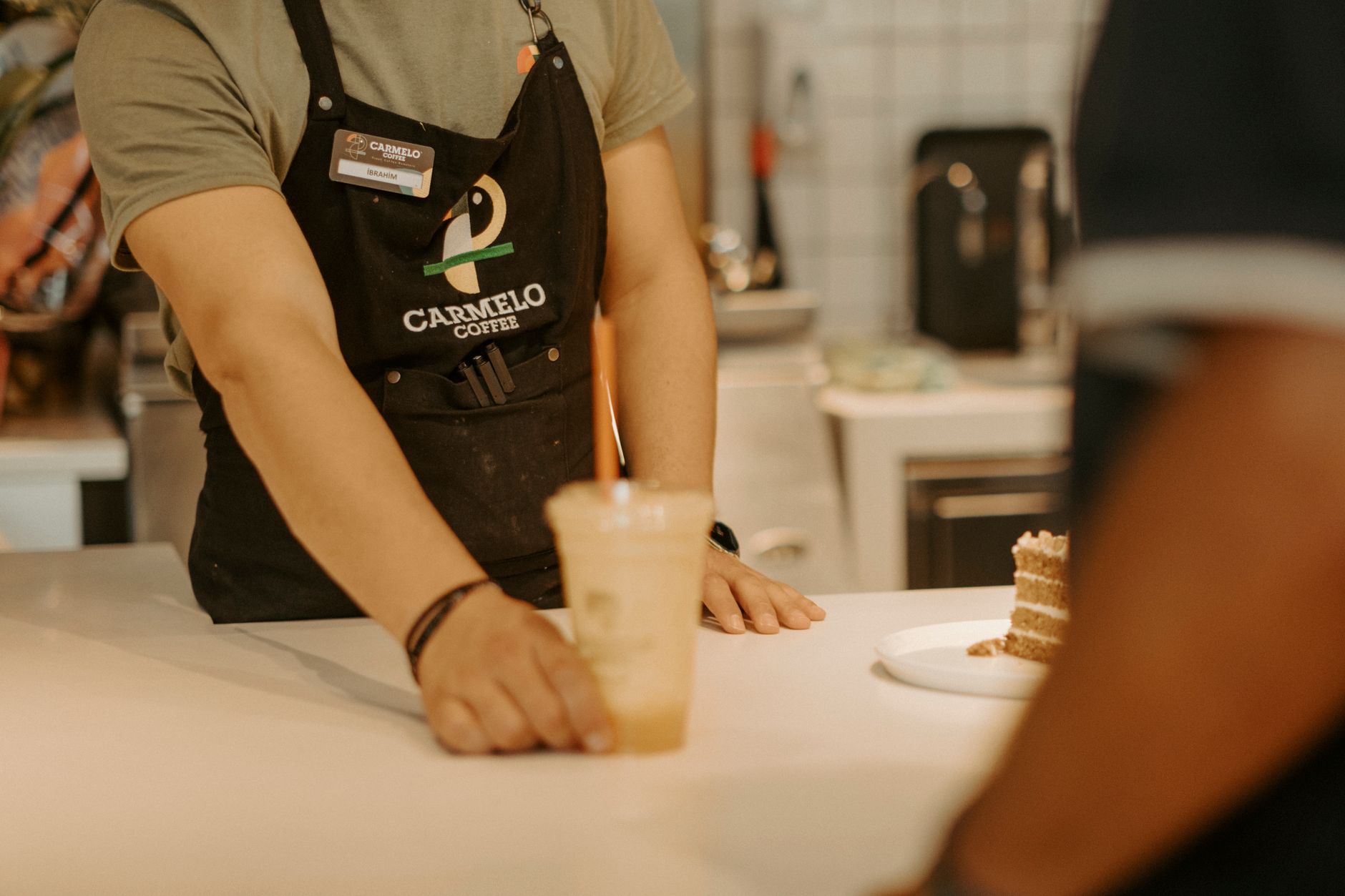
How to show you fit the culture
Small signals prove you'd thrive on the floor, often more than your actual answers do. Interviewers are picturing you at the handoff counter while you talk, so how you show up matters almost as much as what you say.
Energy and friendliness in the room start before the first question. Smile, make eye contact, greet the interviewer the way you'd want to be greeted as a customer. Dress for it too — you don't need a suit, but you shouldn't look like you rolled off the couch either.
Flexibility on hours genuinely moves the needle. Stores are usually hiring around a specific gap — early mornings, weekends, the after-school rush — so be upfront and specific about your real availability instead of overclaiming and walking it back later. A candidate who can reliably cover a 5:30 a.m. opening shift often gets picked over someone with a slightly stronger answer but a tighter schedule.
Ask about training and growth when they open the floor to your questions at the end. It signals you're planning to stay, not just filling time between other options. Ask how long training runs, what the path to shift supervisor looks like, or what the team's rhythm is like on a normal day; for more on mapping that next step, see how to choose a career path. The same long-stay signal carries even more weight in a Costco panel interview.
Between a couple of ready stories, a specific reason you want the job, and showing up with real warmth, you've now covered what a Starbucks interview is checking for. If you want help turning your own work history into sharp, specific answers before any interview, Land the Offer with AI walks through using a tool like ChatGPT to draft tailored stories, rehearse the tough questions, and handle the offer once it lands.
Frequently Asked Questions
How do I pass a Starbucks interview?
Bring warm energy, a few specific customer-service and teamwork stories, and a genuine reason you want to work there. They hire for attitude and train the coffee skills.
Why do you want to work at Starbucks — best answer?
Connect a real value you hold to something specific about Starbucks: the team culture, the customer connection, or the growth and benefits. Avoid generic praise.
What should I wear to a Starbucks interview?
Clean, casual, and approachable — think smart-casual that fits a friendly service brand. Neat and low-key beats formal here.
Do I need coffee experience?
No. Starbucks trains new baristas, so prior coffee experience isn't required. Reliability, friendliness, and teamwork matter far more.