How to Make a To-Do List That You Actually Finish
How to make a to-do list that works — why most lists fail, how to cap it, write the next action, and pick the three must-dos that turn a wish-list into a plan.
A to-do list works when it's short, every item is a concrete next action, and two or three items are marked as today's must-dos. Most to-do lists fail because they're wish-lists, not plans — a good one tells you exactly what to do next and what can wait.
How do you make a good to-do list?
A good to-do list caps the number of items, phrases each one as a concrete next action instead of a vague goal, and flags the two or three tasks that actually matter today. Everything else on the page is a supporting detail, not the point.
Most people build their list backward. They dump every open loop in their head onto the page — reply to Dana, taxes, gym, fix the deck, call the dentist — and call it done. That's not a to-do list; it's an inventory of everything you haven't done, which is a much heavier document to look at every morning.
The fix isn't a new app or a color-coded system. It's four habits, done in order: write short, write specific, cap the count, and rank before you start. Most productivity advice skips straight to systems — apps, matrices, quadrants — before fixing the actual sentence structure of the list. Get the sentence right first; the system is optional, but the habits below aren't.
Why most to-do lists fail
A list of everything is a list of nothing. When every task on the page looks the same size and the same urgency, your brain treats none of them as urgent — so you skim the list, feel vaguely bad about it, and open your inbox instead. Three habits sink most to-do lists:
- Endless length. A 40-item list isn't a plan, it's a monument to everything you're behind on. Looking at it produces guilt, not momentum, and guilt is a terrible fuel for actually starting something.
- Vague items. "Email," "taxes," and "website" aren't tasks — they're categories. Your brain can't act on a category, so it quietly skips over it every time you scan the list, and it sits there unfinished for weeks.
- Flat priority. Without any ranking, a five-minute errand and a three-hour project carry the same visual weight, so you default to the easy one. The list never gets around to prioritizing what's on it, so nothing signals what actually matters today.
Fix those three and the list stops being a source of dread and starts being useful again.
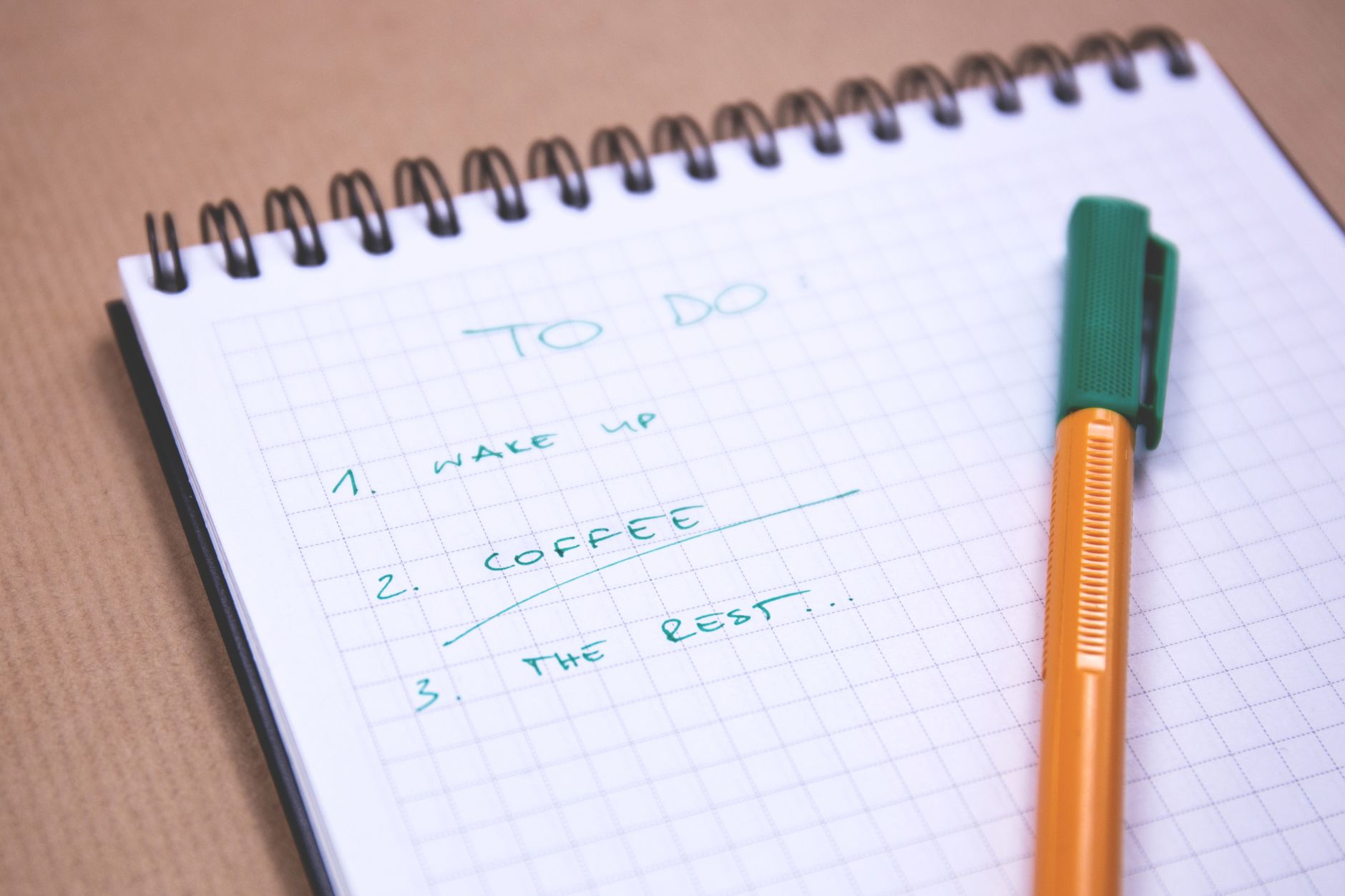
Cap the list
A shorter list gets finished; a long one gets abandoned somewhere around item eleven. This isn't a willpower problem — it's math. Write down twenty things you'd like to do today, and you've set yourself up to end the day feeling like you "failed," no matter how much real work actually got done.
The fix is a hard cap. Write down only the vital few for today — five to seven items is a reasonable ceiling for most people, fewer if your days get interrupted often. Everything else still floating in your head needs a home, just not this one: keep a separate "someday" or backlog list where ideas and non-urgent tasks can wait without nagging at you every morning.
This isn't about doing less work overall — it's about separating "things I might do eventually" from "things I am doing today," so the daily list can actually be crossed off. And finishing a short list does something a long one never does: it builds momentum. Closing out five items feels like a win; abandoning fifteen feels like failure, even when you did the same amount of real work in both cases.
Write the next action
Each item on your list should be doable right now, not a project wearing a disguise. "Plan the trip" sits on a list for weeks because it isn't actually one action — it's twenty, and your brain quietly refuses to start something with no clear first move.
David Allen's GTD method built an entire system around this distinction: define the next physical action, not the outcome. Instead of "plan the trip," write "book flights for the 14th." Instead of "fix the website," write "email the developer the three broken links." The rewrite takes ten seconds and it's the single highest-leverage edit you can make to any to-do list.
A few habits make this automatic:
- Start with a verb. "Draft," "call," "book," "email" — a verb forces the item to be an action instead of a topic.
- Break projects into their first step. You don't need the whole plan written down, just the next physical move. The rest can wait until you're actually there.
- Apply the two-minute rule. Allen's other rule still holds: if something takes under two minutes, don't write it down at all, just do it. It'll take longer to log it than to finish it, and every skipped write-up is one less thing standing between you and actually getting them done.
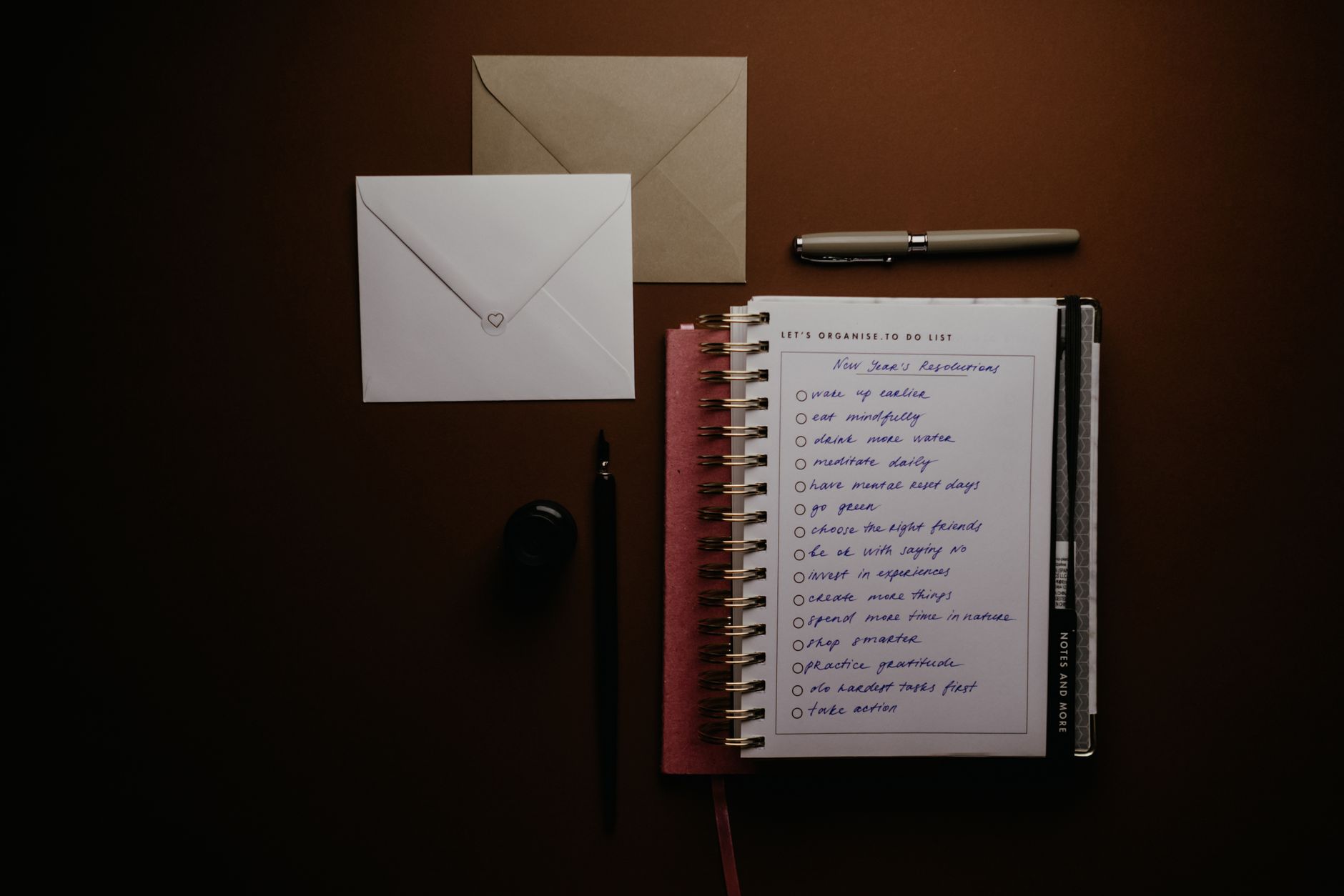
Mark today's three must-dos
Not all tasks deserve equal weight. Before you start the day, star the two or three items on your list that would make it a genuine win even if nothing else got touched. Everything else on the page is optional, not urgent — it can slide to tomorrow without the day counting as a loss.
Do the starred items first: before email, before meetings that could've been a message, before the easy five-minute task that feels productive but doesn't actually move anything. The order matters almost as much as the selection — a must-do finished at 4pm, after you're already drained, isn't the same as one finished at 9am with a full tank of focus. If the day falls apart and you only get to one thing, make it one of the three — not the leftover errand that happened to be easiest to start.
This is the real difference between a to-do list and a plan. A list just holds tasks; a plan tells you which ones count. Three honest priorities, chosen before the day gets noisy, beat twenty items ranked by nothing at all.
Put it together and the method is genuinely this simple: write less, write specific, and decide what matters before you start. A to-do list isn't a monument to everything on your plate — it's a tool for deciding what today is actually for. Do Only 3 Things a Day takes this same idea and turns it into a morning habit: pick the three things that actually move your life, do those, and let the rest wait without guilt.
Frequently Asked Questions
How do I make a to-do list that works?
Keep it short, phrase each item as a concrete next action, and mark two or three must-dos for the day. A list that names exactly what to do next — and what can wait — gets finished; a dump of everything doesn't.
Why do I never finish my to-do list?
Usually because the list is too long, the items are vague, and nothing is prioritized, so it reads as overwhelming. Capping it and starring a few must-dos turns it from a wish-list into a plan.
How many things should be on a to-do list?
For a daily list, aim for a handful of real priorities rather than everything you could do. Keep a separate backlog for the rest so today's list stays finishable.
What is the 1-3-5 rule for to-do lists?
It's a format where you plan to finish one big task, three medium ones, and five small ones in a day. It works because it caps the list and forces you to rank by size instead of listing everything.