Monk Mode: What It Is and How to Do It Without Burning Out
What monk mode is, how to run a focused monk-mode session that actually works, and the sustainable version that gets results without the internet-guru extremes.
Monk mode is a deliberate stretch of deep, distraction-free focus on one important goal, with your usual interruptions stripped away. It can be a two-hour block you run daily or a multi-week sprint before a launch or exam — the goal is removing distractions, not becoming a hermit. Done right, it clears the backlog that keeps sliding to tomorrow.
What is monk mode?
Monk mode is a defined stretch of time — anywhere from a couple of hours to a couple of months — where you strip away nearly everything except the one goal that actually matters right now. The name borrows from monastic life: fewer inputs, fewer choices, one focus, repeated until the work is done.
The term spread through fitness and productivity communities online, usually attached to dramatic before-and-after stories: the founder who vanished for six weeks to ship a product, the student who deleted every app before finals, the writer who rented a cabin to finish a manuscript. Those stories are catchy, but they also make monk mode sound like an extreme event instead of a tool you reach for whenever a task needs real depth.
Strip the drama and what's left is simple: a period where interruptions are removed on purpose, not resisted through willpower. That's the entire mechanism. You're not trying to become more disciplined in the moment — you're rearranging your environment so discipline barely matters.
What monk mode actually means
Strip the mystique: monk mode is structured deep work, not a spiritual retreat. It has three working parts, and none of them require silence, a cabin, or a vow of solitude.
- A defined window aimed at one priority. Not a vague "focus more" but a specific block of time pointed at a specific outcome, like "finish the first draft of chapter three" or "clear the backlog to zero."
- Distractions removed, not just resisted. The phone leaves the room instead of sitting face-down on the desk. Notifications get switched off at the system level, not just ignored through effort. Willpower is the least reliable tool you own, so the goal is removing temptation rather than fighting it all day.
- A scale that runs from hours to weeks. A single afternoon block and a six-week isolation sprint are the same mechanism at different intensities. Most people only need the small version, most of the time.
The mistake is treating monk mode as an identity — "I'm doing monk mode now" — instead of a tool you pick up for a specific job and put back down once the job is done.
How to run a monk-mode session
A good session is engineered before it starts, not willed into existence once you sit down. Decide the goal, remove the distractions, and set a hard stop, in that order, and the actual focusing takes care of itself.
- Pick one goal and one task for the block. Not a project — a task. "Work on the proposal" is too vague to start; "write the first three sections of the proposal" is not.
- Put your phone in another room. Not on silent, not face-down — gone. The few seconds it takes to walk over and get it is enough friction to break most of the automatic reach.
- Turn off notifications at the source, on every device that can interrupt you, before the block starts rather than mid-session.
- Use a small start ritual. Same coffee, same seat, same first move every time. The ritual signals to your brain that the rules just changed, and it works faster than motivation ever will.
- Set a fixed end time, not a vague one. Open-ended blocks bleed into everything else in your day. A block with a real edge — two hours, timer on — gets treated with urgency instead of drifting.
If the block itself feels loose, time-blocking the session — literally writing the start and stop time on your calendar as if it were a meeting — fixes that in about thirty seconds and makes the whole thing far easier to defend against everyone else's requests.

The sustainable version
The extreme, isolate-for-months version — the one all over social media, complete with blacked-out windows and zero contact with anyone — burns most people out and rarely survives contact with an actual life. A daily two-to-three hour block, run consistently, beats a single heroic sprint almost every time, because consistency compounds and willpower doesn't.
- A modest daily block beats a dramatic one-off. Two hours a day for a month is roughly sixty hours of real depth. A single blacked-out week gets you maybe forty, followed by a burnout tax that costs you the next two.
- Protect sleep, food, and movement around the block, not just during it. Monk mode fails fastest when people treat rest as the thing they're cutting to make room for focus — it's the opposite: the focus only holds up because the rest underneath it is intact.
- Consistency beats intensity. The version of monk mode that actually changes your output is the boring one: same time, same place, most days, for weeks. Nobody posts about that version, which is exactly why it works better than the one they do post about.
If what you actually need is to just focus better in general rather than run a structured session, that's a smaller, easier problem — start there before you build a whole monk-mode routine around it.
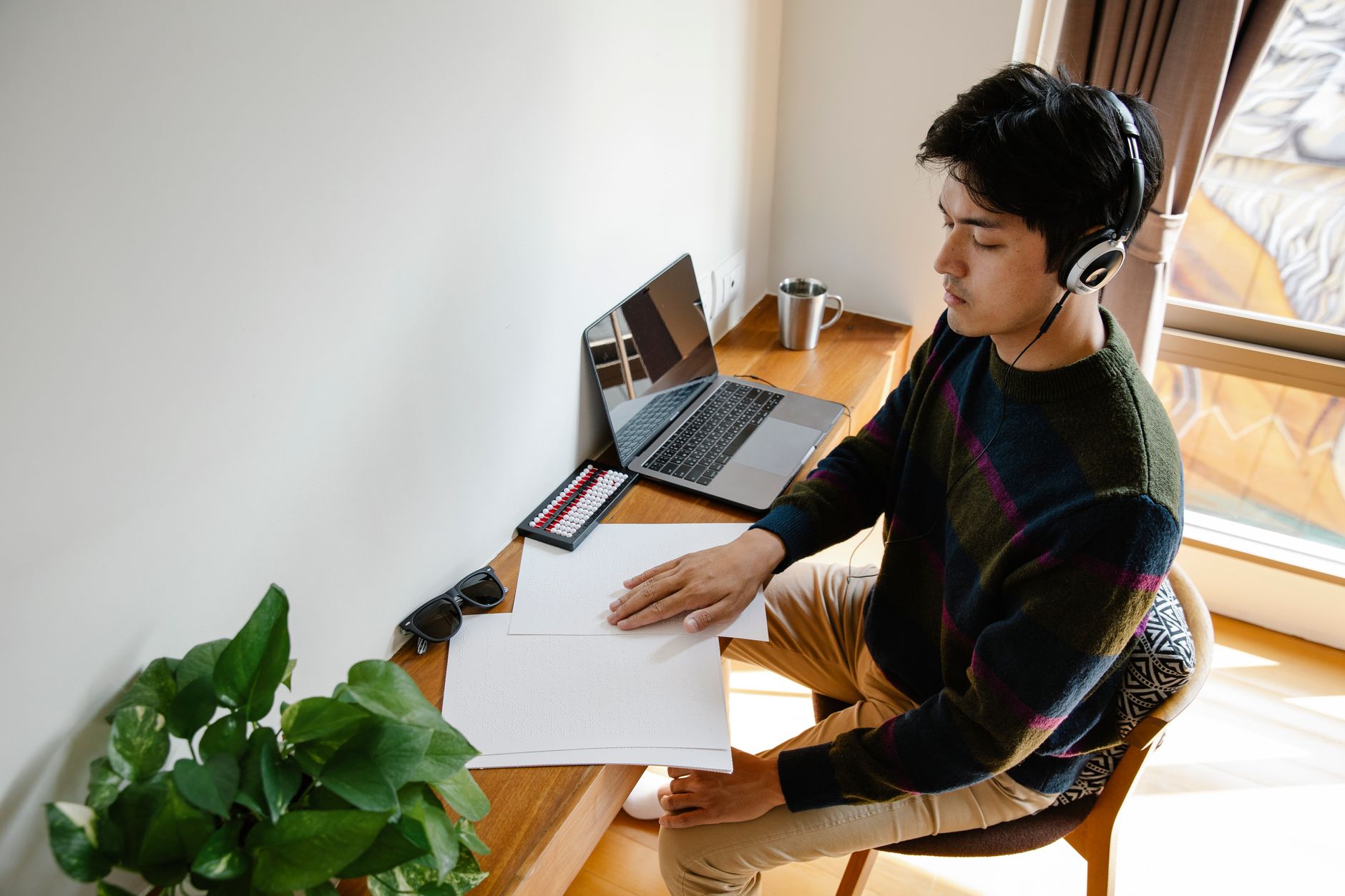
Monk mode meets the three-things rule
Deep focus needs a target worth the silence, or the whole exercise is just an elaborate way to avoid deciding what actually matters. Point the block at a real priority and monk mode stops being a stunt and starts being a system you can run for months.
The simplest version: each morning, name the three things that would make the day count if nothing else got done. Then run your monk-mode block against the hardest of the three — the one that keeps getting pushed to tomorrow because it needs real thought, not just motion. Everything else on the list waits its turn.
One deep block a day, aimed correctly, compounds faster than a full day of scattered effort. Three focused hours on the task that actually matters beats nine hours split across email, meetings, and a task that never needed to go first. The math isn't close.
And when the block ends, let it end. Close the laptop, leave the desk, genuinely rest — monk mode that never turns off isn't focus, it's just a longer way to burn out. The point was never to work all the time; it was to work on the right thing without static in the way.
That's the whole idea behind Do Only 3 Things a Day: pick the three priorities that actually move your life each morning, do those, and let the rest wait without guilt. Monk mode is simply how you protect the time to do the hardest of the three properly.
Frequently Asked Questions
What does monk mode mean?
Monk mode is a period of deliberate, distraction-free focus on one important goal, with your usual interruptions removed. It can be a daily deep-work block or a longer sprint of a few weeks, and the mechanism is the same at any length: fewer inputs, one target, a defined window.
How do I start monk mode?
Pick one goal, block a fixed window, and remove distractions physically — phone in another room, notifications off. Start with a repeatable daily block rather than an extreme multi-week isolation; you can always extend it once you know the routine actually holds up.
Is monk mode healthy?
It can be, in its sustainable form of focused blocks with proper rest, sleep, and movement around them. The extreme, cut-off-everything version risks burnout and isolation, so moderation matters — treat monk mode as a tool you use, not an identity you adopt.
How long should monk mode last?
A daily two-to-three hour deep block is enough for most people and easier to sustain than long isolation. If you do run a longer sprint, keep it time-boxed with a clear end date and protect your basic health the whole way through.