How to Build Good Habits That Actually Stick
How to build good habits that last — why motivation fails, the small-and-cued method that works, and how to bounce back from a missed day without quitting.
You build a good habit that sticks by making it small enough to survive a bad day, cueing it to something you already do, and tracking it somewhere visible. Motivation gets you through day one. Design, not discipline, keeps a habit alive after the novelty fades.
How do you build good habits that stick?
Make the habit small, tie it to an existing cue, and track it visibly — then protect it from your own motivation, which will fade. Habits stick when they're easy to start and hard to forget, not when you grit your teeth harder than you did last time.
Most habit advice skips straight to inspiration: find your "why," visualize the outcome, commit fully on day one. None of that survives a random Tuesday when you're tired, annoyed, and the couch is right there. The habits that actually last are engineered to not need inspiration in the first place.
That means three moves, done in order: shrink the action until it's almost insultingly easy, attach it to something you already do on autopilot, and make your progress visible enough that skipping it registers as a loss. Get those three right and the habit mostly runs itself. Skip them and you're back to relying on a feeling that was never reliable to begin with.
Why motivation is the wrong foundation
Motivation is a feeling, and feelings are unreliable scaffolding. It spikes on January 1st and after every inspiring podcast, then crashes the moment life turns boring or hard — which is most days, for most people.
A habit only becomes a habit once it survives that crash. If the only thing holding your morning run together is how pumped you feel, the habit dies the first week you're exhausted, busy, or just flat. That's not a character flaw — it's what motivation does. It was never built to be structural; it's episodic by nature.
The fix is to stop building on top of a mood and start building on top of your environment. Design beats discipline: make the good thing the easy thing and the bad thing the hard thing, and you barely need willpower at all. The behavior scientist BJ Fogg has spent decades making this exact case — that habits which last are built around cues and tiny actions, not around trying to feel more motivated. Put the book on your pillow if you want to read before bed. Charge your phone in another room if you want to stop scrolling. The habit that requires the least resolve is the one that survives.
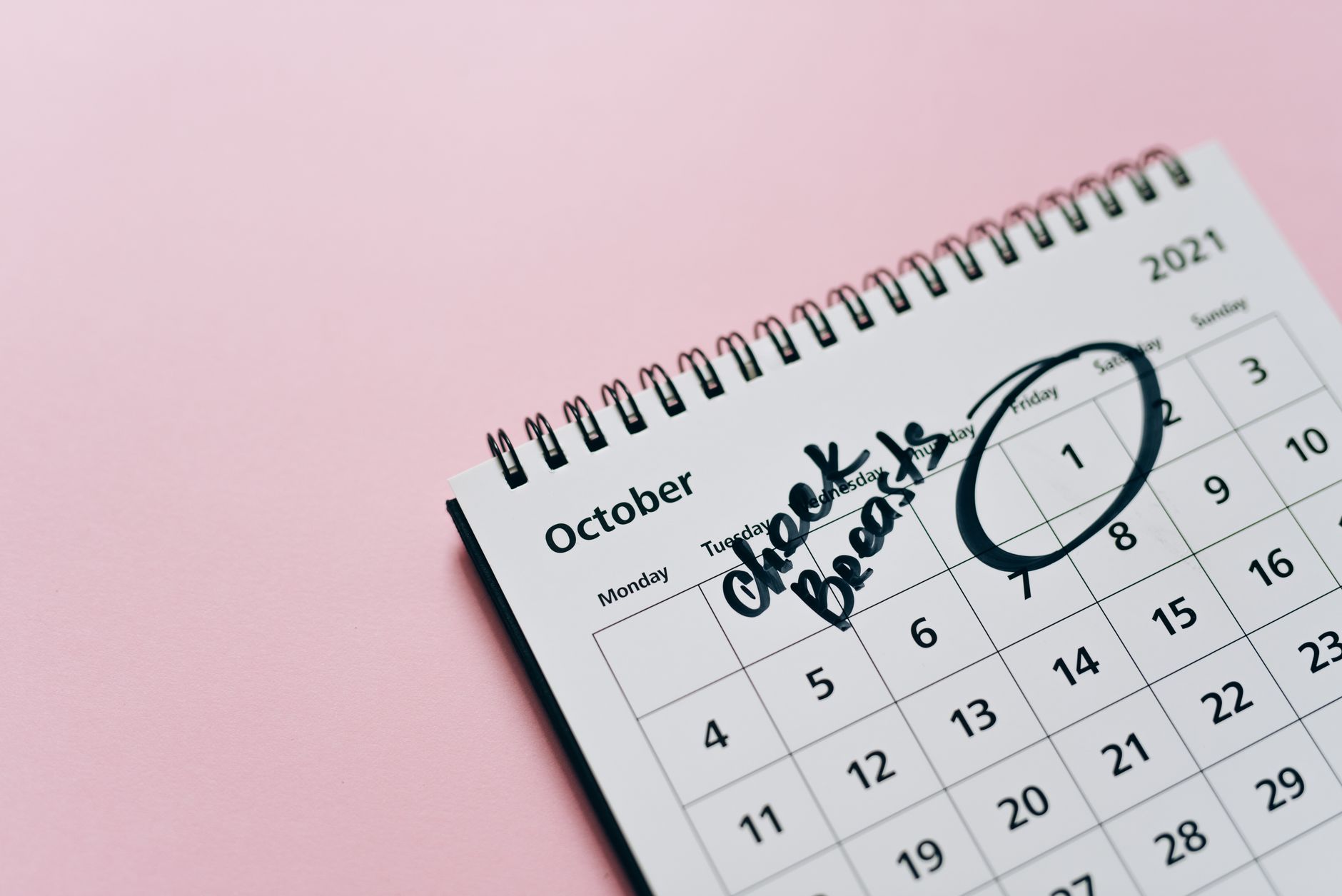
Start absurdly small
The most common habit mistake is starting too big. You decide to work out five days a week, meditate for twenty minutes, or write a thousand words a day — and by day nine you've quit completely, because the version of you running on four hours of sleep can't do that.
Shrink it instead. Not "read for thirty minutes" but "read one page." Not "meditate for twenty minutes" but "sit down and take three breaths." This isn't a gimmick — it's central to the ideas behind Atomic Habits, James Clear's framework for behavior change: a habit has to be small enough that your worst, most depleted self can still do it without negotiating.
The two-minute version feels almost too easy to count, and that's exactly the point. Most days you'll do more than the minimum once you've started — one page turns into a chapter more often than not. But the minimum is what protects the streak on the day you're running on fumes and would otherwise skip it entirely.
Only size the habit up once it's automatic — once you do it without deciding to, the way you brush your teeth without a pep talk. Scale too early and you've just rebuilt the original problem with a longer runway.
Anchor it to something you already do
New habits stick to old routines. A habit floating loose in your day, with no fixed trigger, relies on you remembering it — and remembering is exactly what fails when you're stressed, tired, or distracted.
Habit stacking solves this: after I pour my coffee, I write one line. After I sit down at my desk, I open the one document I've been avoiding. After I brush my teeth, I do ten push-ups. You're borrowing the reliability of a routine that already runs on autopilot instead of building a new one from nothing.
Two things make the stack actually work. The cue has to be obvious and fixed — something that already happens at the same point every day, not a vague "sometime in the evening." And the action has to be ready to go the instant the cue fires: the notebook already open on the counter, the running shoes already by the door, not buried in a closet three rooms away.
This is also where environment does half the work for you. If the guitar lives in its case in a closet, you won't pick it up. If it's on a stand next to the couch, you might. Removing friction from the good habit — and adding friction to the bad one — will outperform sheer willpower every time. It's the same lesson behind beating procrastination: the task you keep avoiding usually just has too much friction sitting between you and starting it.
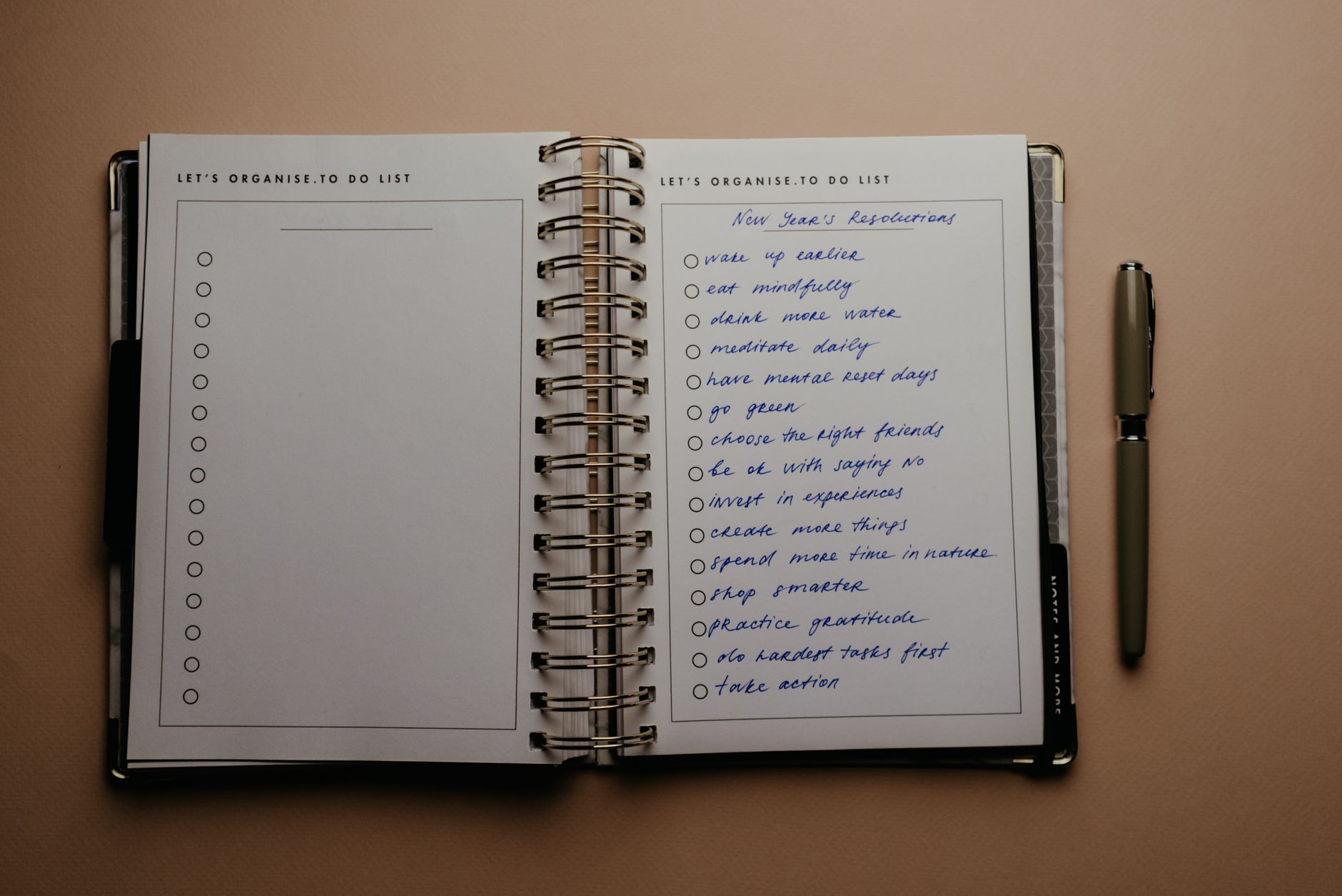
Track it, and never miss twice
Consistency, not perfection, is what builds a habit. You don't need a flawless streak — you need a pattern strong enough that one bad day doesn't unravel the whole thing.
A visible tracker — a checkmark on a wall calendar, an X through the date, a streak counter in an app — is quiet fuel. It costs nothing to maintain and makes progress real in a way "I've been pretty good about it lately" never does. You don't need to feel motivated to look at an unbroken row of checkmarks and not want to be the one who breaks it.
The rule that matters more than any tracker, though, is this: one missed day is an accident; two in a row is the start of a new habit — the habit of not doing it. Life will interrupt you. You'll get sick, travel, have a genuinely rotten day. That's not failure, and it doesn't call for punishment or a dramatic restart with a brand-new plan.
It calls for exactly one thing: showing up the very next day, at the normal small size, no makeup session, no guilt lap. Forgive the slip immediately and treat the next chance as completely ordinary. The habits that survive for years aren't the ones that were never broken — they're the ones that were never abandoned.
Put those four pieces together — small, cued, tracked, and forgiving of misses — and you have a system that runs mostly without you having to think about it, which was the actual goal all along. That's also the entire logic behind Do Only 3 Things a Day: stop trying to overhaul your whole life through sheer willpower, and instead build one small, repeatable system — in that book's case, choosing three things each morning that genuinely matter — that keeps working on your worst days, not only your best ones.
Frequently Asked Questions
How long does it take to build a habit?
Longer than the myth of 21 days — research suggests it varies widely, often around two to three months, depending on the habit and the person. Simple habits can lock in faster; harder ones take longer. Rather than watching a calendar, focus on the never-miss-twice rule and let the timeline take care of itself.
What's the easiest way to start a new habit?
Shrink it until it's almost too small to fail, then attach it to something you already do daily. A two-minute version you actually repeat beats an ambitious plan you abandon after a week. Size up only once the small version feels automatic, not before.
Why do my habits never stick?
Usually because they rely on motivation and start too big, so the first genuinely hard day breaks them. A habit with no fixed cue and no small floor depends entirely on you remembering it and feeling like it — a bad combination on a tired day. Making them smaller, cued, and tracked removes most of the need for willpower.
How many habits should I build at once?
One or two at a time. Spreading effort across many new habits dilutes the focus each one needs to become automatic, so you end up half-building five instead of fully building one. Get the first habit running on autopilot before you add the next.