The snowball effect isn't about the snowball, it's about the hill
The real snowball effect definition, why most explanations of it are useless, and the one variable — hill length, not snow size — that decides whether it ever compounds into anything.
The snowball effect, defined properly
The snowball effect is what happens when something small grows under its own momentum: a rolling snowball picks up snow, gets bigger, and being bigger picks up snow faster, until the bottom of the hill looks nothing like the top. That's the standard snowball effect definition, and it's why the phrase gets borrowed for debt, viral tweets, and compound interest alike.
It's also useless as advice, told that way. "Start small and it'll grow" is true and tells you nothing to do on a Tuesday. Most articles stop at the metaphor. Here's the part they skip: the size of the snowball is almost irrelevant. What actually determines the outcome is the length of the hill.
The variable everyone skips
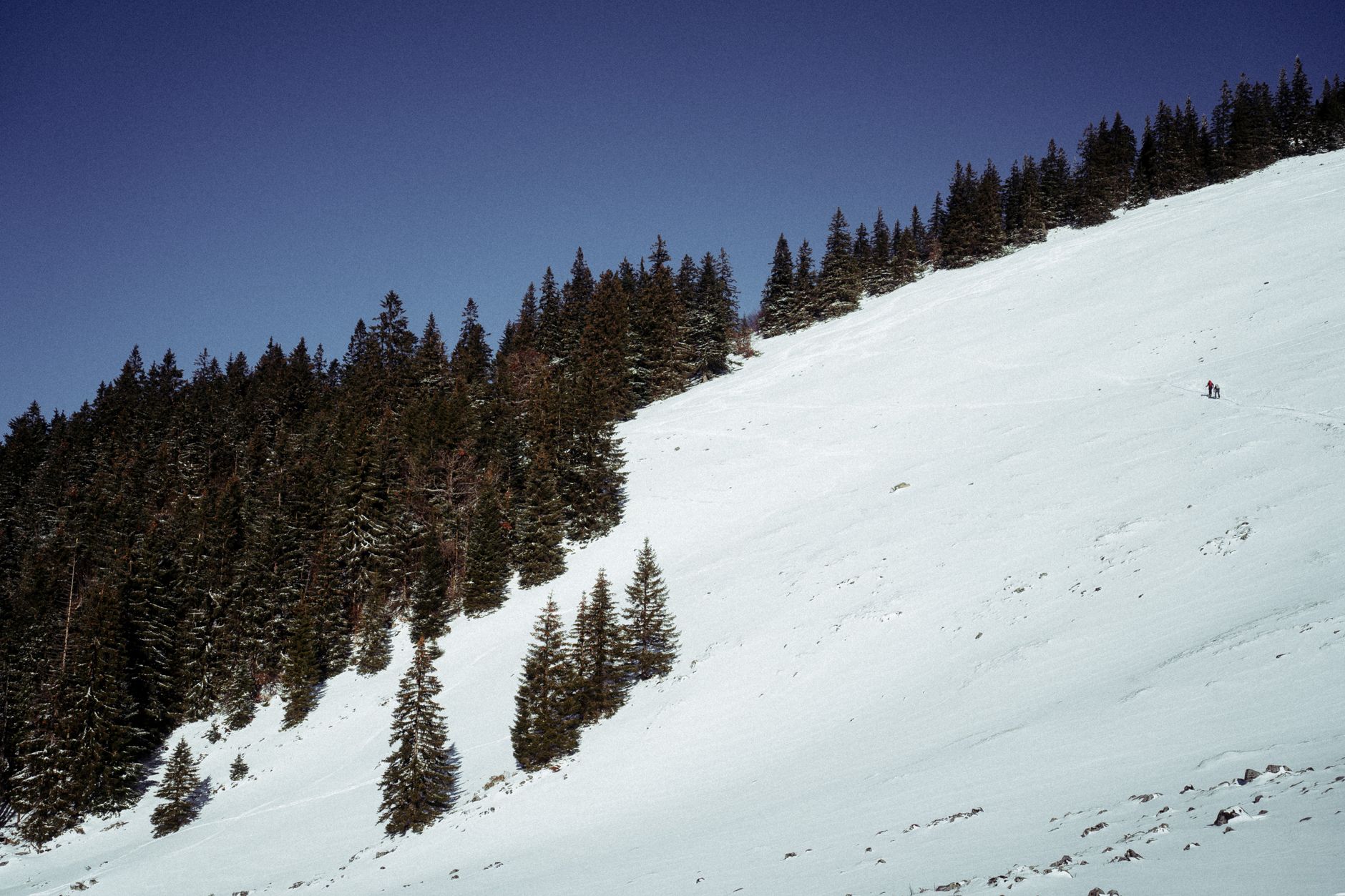
Warren Buffett has one line that beats most books written on this subject: life is like rolling a snowball, and the trick is finding wet snow and a really long hill. Everyone fixates on the wet snow — the great stock pick, the perfect habit, the lucky break. Almost nobody talks about the hill.
That's backwards. People grasp the snowball effect meaning intuitively — small thing, gets bigger — but never ask the obvious follow-up: bigger, relative to what? A great snowball on a 20-foot slope stops being a snowball after 20 feet. A mediocre one on a half-mile hill will eventually dwarf it.
Two kinds of growth, and only one of them compounds
Linear growth is Time × Rate. Effort in, output out — and when you stop, growth stops at zero. A job paid by the hour is linear; so is a habit you keep for six weeks and quietly drop. The rate has a ceiling, because you only have so many hours, which is why the strongest ways to increase your income eventually separate earnings from hours worked.
Compound growth is Assets × (1 + r)^t. Growth acts on whatever you've already built up, not on today's effort. This is the actual mechanism behind the snowball effect: the hill doesn't need you to push harder. It needs you to not carry the snowball off it.

The 90% that arrived after 50
Buffett bought his first stock at 11. Well over 90% of his net worth arrived after his 50th birthday — not because he suddenly got smarter in his fifties, but because after four decades on the same hill, the snowball had finally reached the lower, steeper half of it.
That's the turn: the point on the curve where the line stops looking flat and starts looking vertical. Before the turn, compounding is indistinguishable from doing nothing. After it, linear effort can never catch up again, because it's no longer racing a person — it's racing a number that grows on itself.
Why most people's snowball never gets big
This is the actual point, and it has nothing to do with effort. Most people don't fail at the snowball effect because their snowball was too small. They fail because their hill was too short.
Watch how people actually behave: a new skill for eight months, then a different one. A side project for a year, shelved for the next idea. Every restart does the same thing — it carries the snowball to a brand-new hill. The better move is to invest in yourself through skills that keep paying, then stack adjacent skills instead of replacing them. A snowball set down at the top of a new hill isn't a bigger snowball. It's just a snowball again. Small. Ordinary. Back to zero.
The compounding formula never resets on its own — you reset it. Every time you switch lanes, cash out early, or abandon a body of work to chase a newer one, you're not starting a new snowball. You're carrying the old one to a shorter hill.
The hardest stretch is right before the turn
Here's what makes this genuinely hard: for most of the hill, compounding looks like linear effort's slower, dumber cousin. Early on, the extra snow a slightly bigger radius picks up is trivial — the difference between a snowball 4 inches wide and one 4.1 inches wide is nothing you'd notice. It looks like clumsy, unrewarding work, right up until — often quite suddenly — it isn't.
That's exactly the stretch where people quit — not from laziness, but because a flat-looking line for years genuinely reads as failure from inside it. Nobody quits a week before the payoff on purpose. They quit because compounding never sends a memo announcing that the turn is close.
Run the hill audit tomorrow
Tomorrow, take one project you want to keep for years and test whether today's work will make the next round easier. If the output disappears when you stop, you have a treadmill, not a snowball.
Take a side business. Tomorrow, you can spend an hour handling one custom request or answering a question customers ask repeatedly. The request may pay sooner, but its value ends on delivery. The answer can become a searchable page, a support script, and raw material for an email. One hour has produced an asset that can reduce future work and attract demand.
Now run three tests:
- Does it remain? Name what still exists next month: a page, process, relationship, skill, or invested capital.
- Does it feed the next cycle? Write the handoff. A page brings a reader; the reader reveals the question for the next page.
- What forces a reset? Look for platform dependence, one-off work, or a change that discards the audience and knowledge already earned.
If you cannot name the asset and the handoff, patience will not fix the model. Change the work before committing more years. A real business flywheel links each cycle to the next; repetition alone is just repetition.
So what do you actually do
Stop optimizing the snowball and start auditing the hill. Ask honestly, of your career, your investments, your relationships: can this still be adding to itself in ten years, or does the structure force a reset — a new employer with no equity, a new niche with no audience? Pick fewer hills, and pick them for length, not for how good the snow looks at the top. Then give the boring middle enough time to reach the turn.
That's the snowball effect stripped of the cliché: it was never really about the snow. It's about finding one hill long enough to make the snow irrelevant, and staying on it past the point where quitting starts to feel reasonable. The Compounding Flywheel takes this exact mechanism and runs it across six different engines of a life or business — showing where most people's hills quietly run short, and how to spot it before you've spent a decade finding out.
Frequently asked questions
What is a real-life example of the snowball effect?
A useful library of work is a real-life example of the snowball effect. Each article, design, or lesson can make the next one faster to create and more valuable because it joins what already exists. The connection between pieces creates the effect.
Can the snowball effect be negative?
Yes, the snowball effect can make a bad process grow. Unpaid debt, deferred maintenance, and repeated avoidance can each create problems that produce more problems. Compounding has no opinion about the direction. Interrupt a negative loop before its consequences become the engine.
Is the snowball effect the same as compound interest?
No, compound interest is one form of the broader snowball effect. It happens when returns join the principal and later returns act on that larger balance. The same feedback shape can appear in skills, trust, audiences, and problems without an interest rate.
How do I start a snowball effect in my life?
Start with one repeatable action that leaves an asset behind and makes the next action easier. Keep the cycle small, record what carries forward, and remove work that resets progress. Judge whether the second cycle begins with more than the first did.