What is systems thinking? Stop optimizing the car, start building the factory
The real systems thinking definition, why goal-setting optimizes the wrong layer, and how Musk's Gigafactory and ByteDance's app factory turned building the production line into the only optimization that actually compounds.
Ask ten people "what is systems thinking?" and you'll get ten different, slightly embarrassed answers — something between growth mindset and servant leadership, with no real definition attached. That's a waste. Underneath the buzzword sits one of the sharper ideas around for explaining why some people's output compounds while everyone else resets to zero every January.
Here's the plain version. Systems thinking means studying the structure and feedback loops that produce your results, instead of chasing the results one at a time. Once you see that distinction, you start noticing how much of goal-setting culture is optimizing the wrong layer entirely.
What is systems thinking, in plain language
A goal is a snapshot: run a marathon, hit a revenue number, read 50 books this year. The day you hit it, nothing is left standing behind it. A system is the machine that keeps generating outputs like that one, without you reaching for it fresh every time.
Make it concrete. "Lose 10 pounds" is a goal — hit it, and it's retired, with no mechanism left for keeping the weight off or losing the next 10. "Build a kitchen where the easy choice is the healthy one" is a system: different groceries, Sunday prep, junk never bought at all. It doesn't hit one number — it keeps hitting numbers, because you changed what produces the behavior.
That's the systems thinking definition worth keeping: see the structure generating an outcome, and spend your effort on the structure, not the outcome. It isn't a mindset or a personality trait — it's a decision about which layer you're allowed to work on.
The two levels of optimization
This stops being self-help once you see the actual mechanism, and two systems thinking examples make it concrete.
Elon Musk has said the real product Tesla builds isn't the car — it's "the machine that builds the machine," the factory itself. That line marks a genuine fork in how anyone can spend their attention:
- Ordinary thinking optimizes each output. Get better at building this one car. Your ceiling is your own skill — how practiced your hands are, how many years you've put in.
- Systems thinking optimizes how outputs get produced. Get better at the factory that builds the cars. Your ceiling is physics — throughput, cycle time, automation — barely related to your skill on any given day.
Before the Gigafactory ran, Musk's attention was bound to each car. Once it ran, cars streamed out on their own, and he was free to stop building cars and start designing the next factory.
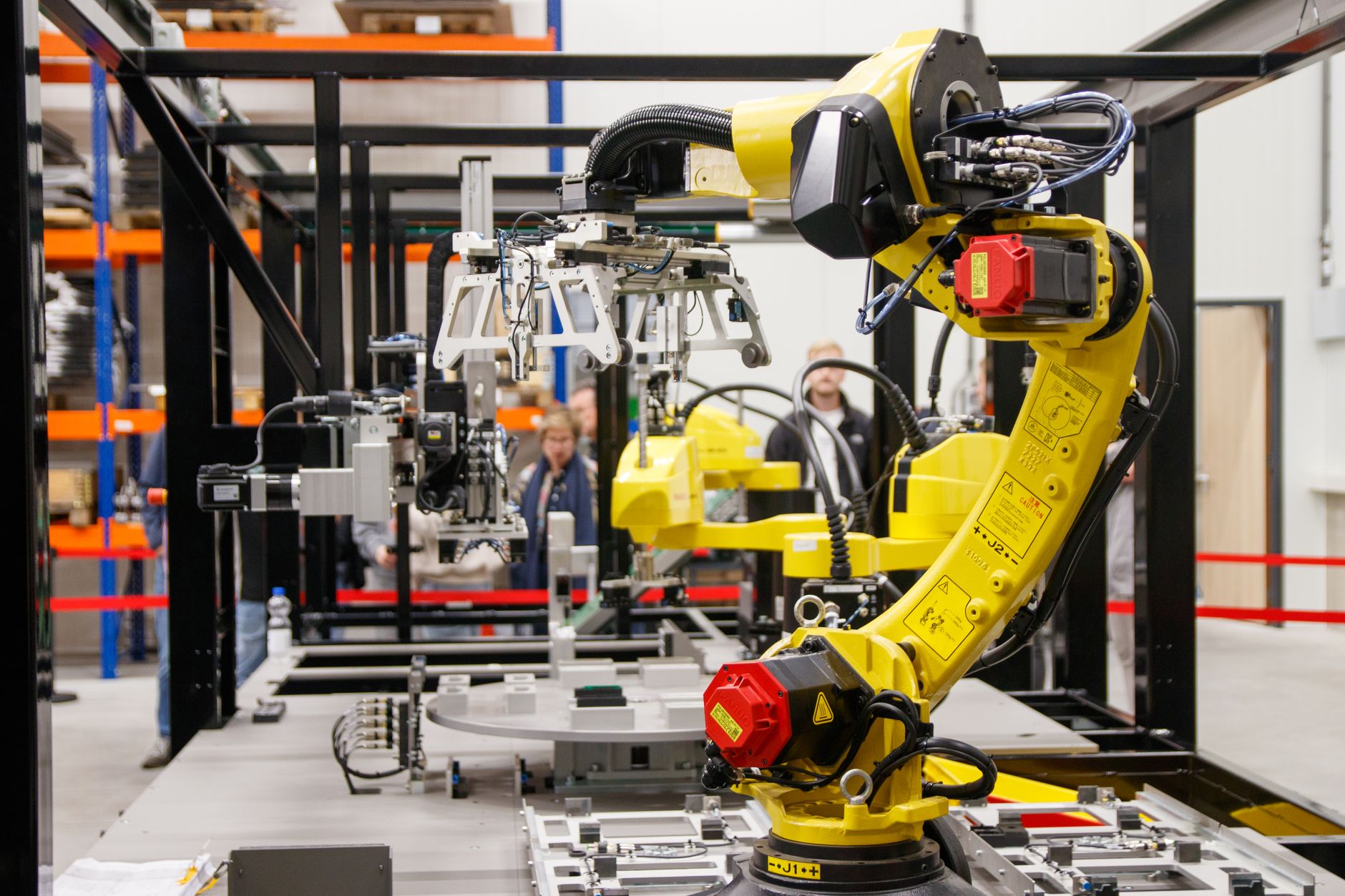
ByteDance runs the identical move at company scale, nicknamed internally "the app factory." It didn't build Toutiao, then separately invent Douyin, then TikTok. It built one production line — recommendation algorithms, growth playbooks, A/B-testing infrastructure — and ran three different products off that single line. The apps compete for your attention; the line behind them competes with almost nobody, because almost nobody else has it. Products age. The production line appreciates. The Amazon flywheel shows the same idea from another angle: each turn strengthens the conditions for the next one.
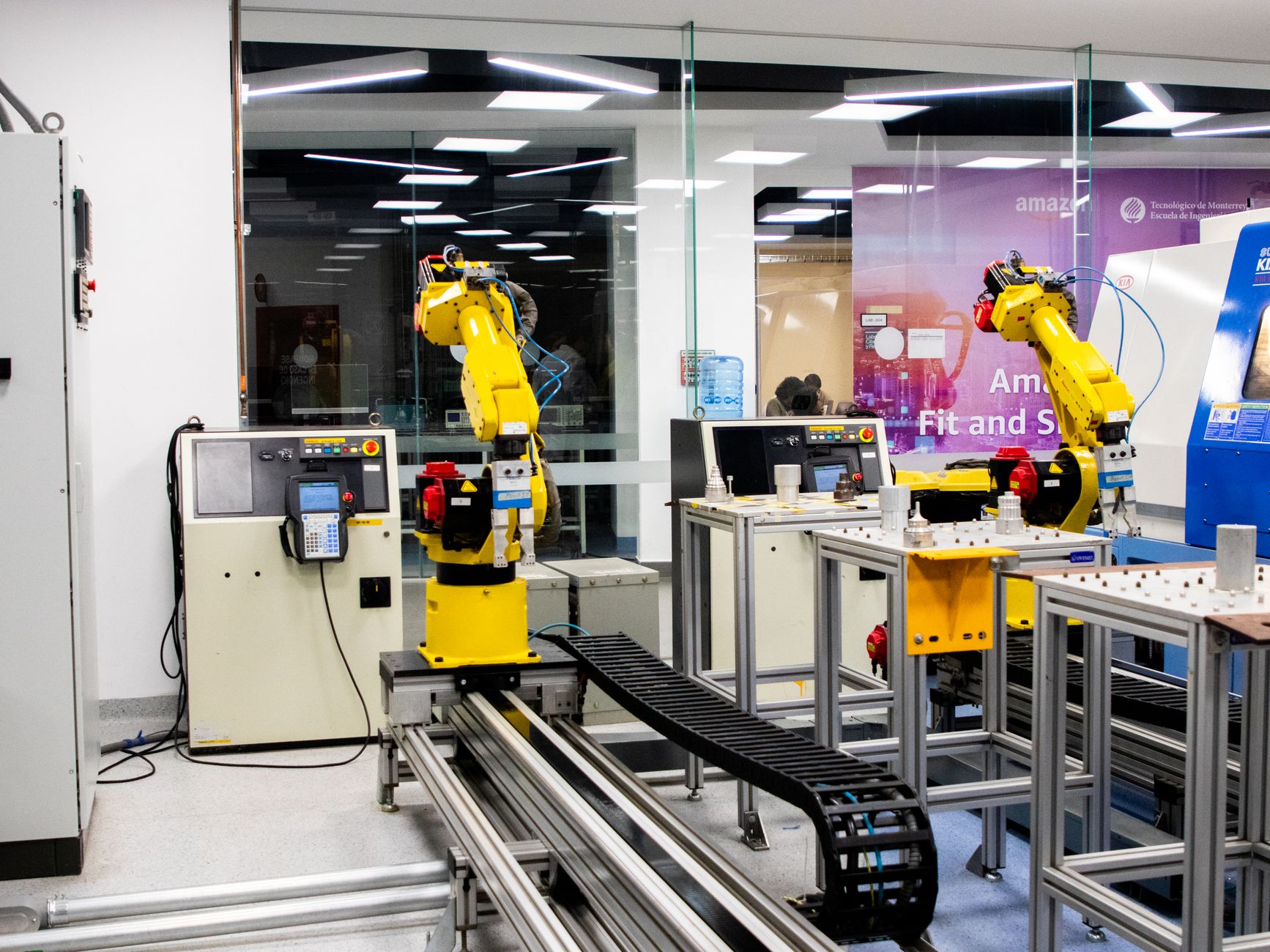
Car builders vs. factory builders
This is why the two levels feel so different from the inside. A car builder has something to show every day: a finished car, a closed deal, a published post. A factory builder looks, for a long stretch, like they're producing nothing — no cars roll out while the floor is still being poured and wired.
That optics problem is why almost nobody chooses the second path, even though it's the one that compounds.
Optimizing each output makes you a better worker. Optimizing how outputs get produced makes the worker unnecessary — including, eventually, you. One path has a ceiling shaped like your own talent; the other has a ceiling shaped like physics, a far better ceiling to spend a decade under.
This is the honest complaint against goal-setting culture: it's output optimization dressed up as ambition. Hit the number, set a bigger number, hit that one too — while the machine producing the numbers never gets touched. Systems thinking is the uncomfortable suggestion that most goals are just symptoms of a system you haven't built yet.
Run this system test tomorrow
Tomorrow, pick one result you produce repeatedly and trace a single failure backward until you find a change that prevents the next failure. Do not redesign your whole life. Use one real output from one ordinary day.
Say you send a weekly client update, and this week's version goes out late. The output-level response is to type faster next Thursday. The system-level response is to reconstruct the chain: the numbers arrived late, because nobody owned the request, because the request lived in your head. The smallest structural fix is not "try harder." It is a recurring request with an owner, a deadline, and a fixed update template waiting to be filled.
Then run the changed process three times and keep a tiny log: where did work wait, where did you repeat a decision, and where did an error enter? Fix the step that creates the most downstream friction. A system is not a checklist you write once; it is a loop you revise using what actually happened.
Build your own system: the three-line audit
You don't need a factory to use this. Everything you produce — content, revenue, code, relationships — runs on three lines, and most people have only ever worked on one of them:
- Selection — what you choose to make or pursue in the first place.
- Production — how it actually gets made, day to day.
- Distribution — how it reaches anyone who isn't you.
Most output problems are a weak line, not weak effort. A creator who "can't find time to post" usually has a broken production line — no template, no batching, every piece built from a blank page. A freelancer with great work and no clients has a broken distribution line; the four practical routes to increasing income help identify which line needs attention. Rank your three lines honestly, and fix the weakest first: write the SOP, templatize it, automate whatever the template makes automatable, and keep only the step that genuinely needs your judgment. Same method, from one freelancer up to a Gigafactory.
That's what "systems thinking" buys you once the buzzword is stripped off — not a personality, not a vibe, but a decision to spend your limited effort on the structure producing your results instead of the results themselves. Ordinary thinking always feels more productive, because it hands you something to point at today. Systems thinking asks you to build something boring for a while so that, eventually, you don't have to.
The Compounding Flywheel treats systems as the ultimate of its six engines — the one factory built to build the other five.
Frequently asked questions
What is a simple example of systems thinking?
A simple example is changing your grocery setup instead of repeatedly relying on willpower to eat better. You alter the inputs and defaults that produce meals, then watch whether the new setup keeps working.
What is the difference between systems thinking and critical thinking?
Systems thinking examines how connected parts, delays, and feedback loops create an outcome, while critical thinking tests whether a claim or decision is well supported. They overlap, but one maps relationships and the other evaluates reasoning.
What are the main principles of systems thinking?
The main principles are to look for structure, trace cause-and-effect loops, notice delays, and expect changes in one part to affect another. Most importantly, judge a change by the repeated behavior it creates, not by one good result.
How do I practice systems thinking at work?
Practice systems thinking at work by choosing one recurring output and mapping its inputs, handoffs, delays, and failure points. Change one upstream step, run the process again, and keep the change only if the whole flow improves rather than pushing the problem onto someone else.