The Ivy Lee method — a 100-year-old index card that still beats your productivity app
The real story behind the Ivy Lee method — the 1918 index card Charles Schwab reportedly paid $25,000 for — plus the honest modern refinement that trims six tasks down to three.
The Ivy Lee method is a productivity system from 1918: write down the six most important tasks for tomorrow each evening, rank them in order of importance, then work through them one at a time — finish the first before you even glance at the second, and carry anything unfinished onto tomorrow's list. It's one of the oldest documented productivity systems on record, and it still holds up better than most apps built a century later. But the version everyone repeats stops one step short of the interesting part.
The story goes: a $25,000 index card
Here's the popular account, and it's close enough to true to tell straight. Around 1918, management consultant Ivy Lee sat down with Charles Schwab, president of Bethlehem Steel — one of the largest industrial companies in America — and gave his executives one instruction. Every evening, write down the six most important tasks for tomorrow, in order of importance. The next morning, start with #1 and stay on it, only it, until it's done. Then move to #2. Anything left unfinished when the day ends rolls onto tomorrow's list of six, and the whole cycle repeats.
No app, no matrix, no color-coding — just an index card and a strict rule about order. The story goes that a few months later, Schwab was impressed enough to send Lee a check for $25,000, calling it the most valuable piece of business advice he'd ever paid for.
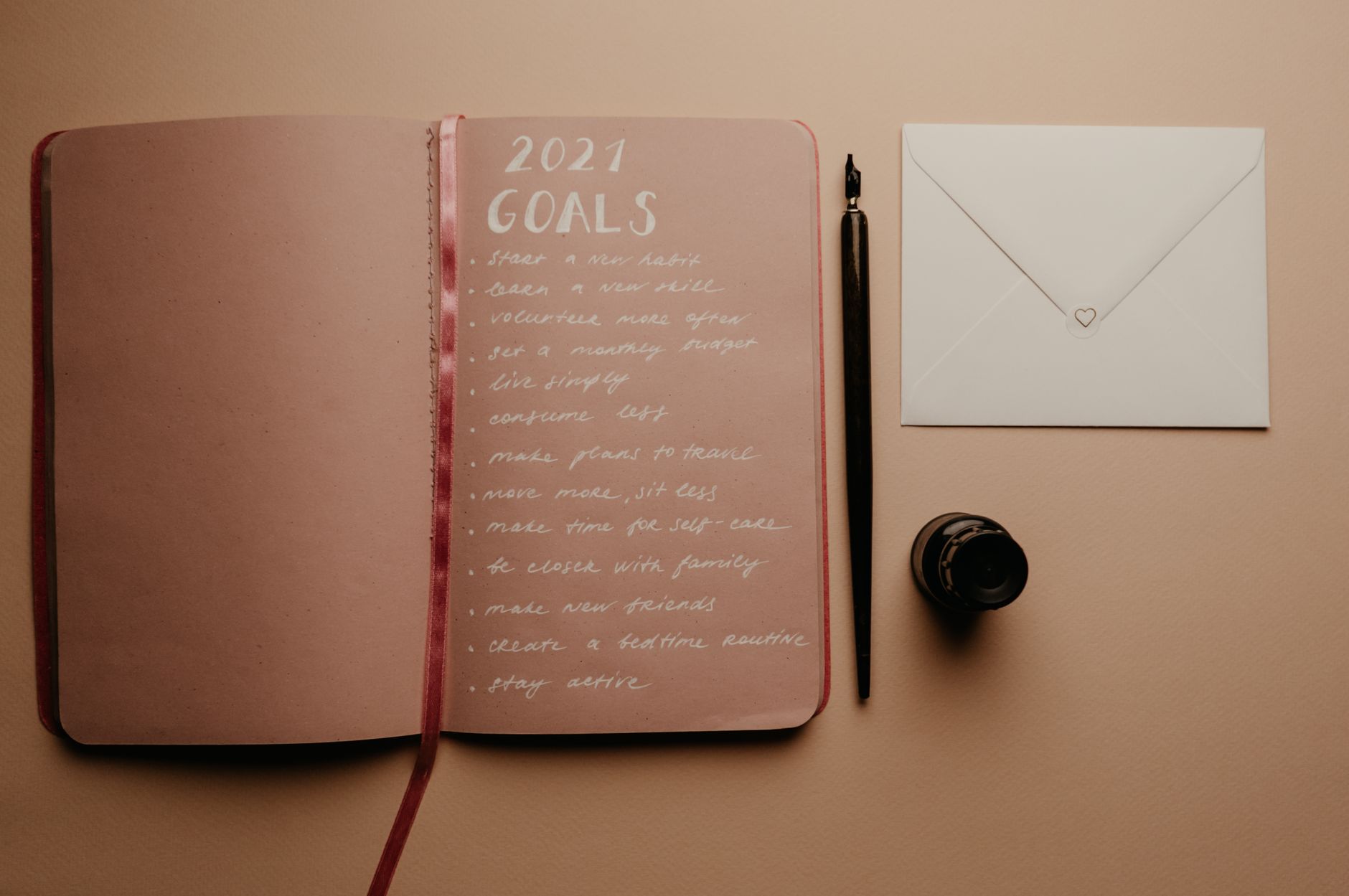
The Ivy Lee method, explained: three levers disguised as one card
Lee never cited a single study — the research came decades later — but the Ivy Lee productivity method survives because it accidentally pulls three separate psychological levers at once.
Choosing the night before kills decision fatigue. Every choice draws down the same pool of self-control, an idea researcher Roy Baumeister spent a career documenting, most fully in his 2011 book Willpower. A list you keep re-triaging all day means asking "what's next?" over and over — and that question is what wears you down, not the work itself. Decide at night, before tomorrow's excuses exist, and the cost is gone before the day even opens.
Strict order removes the option to switch. Lee's rule wasn't "do six things." It was: one at a time, in this order, next one only after this one is finished. Psychologist Sophie Leroy has shown why that matters — switching tasks leaves "attention residue" behind, a piece of your focus still stuck on what you just dropped, so the next task starts half-powered. A ranked list, worked strictly in sequence, makes that kind of switching structurally harder to do. That is also why doing the hardest important task first helps — provided you define what “done” means before you begin.
A fixed list caps a day that would otherwise expand. Left alone, work fills whatever time you give it — Parkinson's Law, C. Northcote Parkinson's 1955 observation about bureaucracies, applies just as well to a Tuesday. Six slots, no more, forces every task back down to the size it actually deserves.
Lee's real innovation was never the number six. It was making the list finite, ranked the night before, and worked strictly in order — three separate fixes for the human brain, disguised as one index card.
Six was never the point — three is
Here's the honest modern refinement, and it's the part most retellings skip: for a real deep-work day, even six is too many. Cognitive scientists have shown working memory holds roughly three to four items at once — a limit documented by George Miller in 1956 and refined by Nelson Cowan in 2001. Six ranked tasks is already more than your brain can hold in view without strain. Three is the number your mind was actually built to run.
The shift itself is simple: keep the ritual completely intact — same evening timing, same strict order — and shrink only the list. One hard, important task you've been avoiding, plus two smaller supporting ones. The hard one goes first, in your best hours of the day, before anything else gets a vote. If everything feels important, use the 80/20 rule as a selection test: which task is most likely to make several other tasks easier, smaller, or unnecessary?
The other upgrade Lee never needed in 1918, when nobody's pocket buzzed: protect the lead task like a meeting, not a hope. Block it on the calendar during your highest-energy window — what Cal Newport would later call deep work. A priority that isn't on the calendar is just a wish. Say no to anything that tries to take that block, on purpose, before it even asks.
Then close the loop every night. A two-minute review — what got done, what got in the way — that ends by writing tomorrow's card. Same discipline Lee prescribed in 1918. Sharper edge.
Run the method tomorrow, not someday
Tonight, turn three vague obligations into three visible finishes, rank them, and put the card where work begins. The Ivy Lee method fails when the list contains categories like “marketing,” “website,” or “email.” Those are territories, not tasks.
Suppose you are launching a small online course. Your first draft might say:
- Work on sales page
- Answer email
- Plan launch
Rewrite it so each line can become unmistakably done:
- Draft the sales page headline and five section headings
- Reply to the four messages blocking collaborators
- Choose the launch date and outline the announcement
If the first task cannot fit inside your best uninterrupted work block, cut its scope again. “Write the sales page” is probably too large; “draft the page structure” has a visible finish. The card is a commitment, not a storage system. Keep everything else in a separate backlog.
Tomorrow morning, open only what task one requires. Put the phone away, close inbox and chat, and work until the stated finish exists. If a real dependency blocks you, write and send the next action needed to unblock it, then move on.
At day's end, mark what finished. Shrink, deliberately reschedule, or remove what did not, then write the next card. That reset is how the method becomes consistency after motivation runs out, rather than an experiment you try twice.
What to actually do tonight
So: six tasks or three? Use six if you want the original Ivy Lee method exactly as Schwab's executives ran it in 1918 — it still beats any list you'd otherwise carry around in your head or an app's notification queue. Use three if the goal is real depth on the one thing that matters most, not an orderly march through busywork.
Either way, the mechanism is identical, and it's the only part that ever mattered: choose the night before, protect the hardest task, do it first, review for two minutes, repeat tomorrow. Ivy Lee proved that in a steel mill in 1918. Do Only 3 Things a Day is the version built for a real deep-work day — same card, same evening ritual, trimmed down to the size your brain actually runs on.
Frequently asked questions
What are the six steps of the Ivy Lee method?
The six steps are to list six important tasks at the end of the day, rank them, start with the first one tomorrow, work on only that task until it is finished, continue down the list, and move unfinished work into the next day's planning. The power comes from choosing and ordering in advance, not from the paper or the number six.
Does the Ivy Lee method have to use six tasks?
No, the Ivy Lee method does not have to use exactly six tasks. Six belongs to the traditional version, but three is often a more believable limit for a day built around demanding work. Keep the parts that matter: a finite list, a strict order, and no casual switching.
Should I do the Ivy Lee method at night or in the morning?
Write and rank the list at night, then begin with task one in the morning. Planning the night before removes an avoidable decision from the start of the day and makes the first action obvious. If evenings are unpredictable, write it at the end of your workday rather than waiting until bedtime.
What happens when I do not finish an Ivy Lee task?
Do not automatically copy an unfinished task onto tomorrow's card. First decide whether it is still important, too large, or blocked; then reschedule it, shrink it to a clear next action, or delete it. A task that keeps rolling over is a diagnosis, not a moral failure.