How to Save Money Fast: The Big Three Beat Thirty Small Sacrifices
Skip the coffee advice. The fastest savings come from housing, transport and food, plus timing moves you can make this week without white-knuckle discipline.
If you want to know how to save money fast, cut one large recurring line item instead of thirty small ones. Housing, transport and food are the only categories big enough to move your number this quarter. Everything else — the lattes, the streaming tiers, the shorter showers — is arithmetic noise that costs you willpower you'll need later.
That's the whole argument. The rest of this page is the math, the levers ranked by size, and the honest limits.
Why the coffee advice fails the math test
Small cuts fail because they're small and they're one-off. A skipped coffee saves you once. A renegotiated rent saves you every single month, automatically, with no daily decision attached.
Here's the shape of it. Thirty tiny sacrifices require thirty ongoing acts of restraint and produce a rounding error. One structural cut on a big line requires one hard conversation and then produces the same saving every month while you sleep.
The rule: prefer cuts that happen once and pay repeatedly.
There's a second cost nobody prices in. Willpower is finite and moody. Spend it policing snacks and you'll have none left for the call to your landlord or the decision to sell the second car. Frugality theatre feels productive precisely because it's easy — and that's the tell.
Most personal-finance advice optimises the categories you can control emotionally instead of the categories that actually hold your money. Those are rarely the same list.
The three levers that actually move your number
Housing, transport and food are usually the largest slices of a household budget, which makes them the only place a fast saver should start. Attack in that order, size first.
Housing. The biggest line and the hardest to move — be honest about that. Real options: renegotiate at renewal (landlords quietly prefer a known tenant to a vacancy), take in a housemate, move to a smaller or cheaper place, or refinance if rates have moved your way. Slow to execute, enormous when it lands.
Transport. A car is not one expense; it's payment, insurance, fuel, parking, maintenance and depreciation stacked together. Dropping from two vehicles to one, or from a financed car to an owned older one, can be the single fastest large cut available to someone who can restructure their commute. If you can't, skip it without guilt.
Food. The fastest of the three, because you control it daily and nobody has to approve it. The move isn't "stop eating out." It's make the cheap meal the default meal — three or four rotating dinners you can cook tired, so the expensive option requires a decision instead of being one.

Timing levers most people forget
Some of the fastest savings aren't cuts at all — they're stopping money that's already scheduled to leave. These take an afternoon and need no ongoing discipline.
- Cancel annual renewals now, not at renewal. You will not remember in eleven months. Cancel today; most services run to the end of the paid term anyway.
- Pause automatic upgrades. Phone plans, insurance tiers, software seats and gym memberships drift upward when nobody's watching. A single audit call can reset several at once.
- Sell what you already own. The unused bike, the second monitor, the camera. It's not recurring, but it's cash this week with zero lifestyle cost.
- Freeze one planned purchase for 30 days. Not forever — thirty days. A surprising share of intended buys quietly die of natural causes.
- Check the price you're paying for loyalty. Insurance and broadband routinely charge existing customers more than new ones. A comparison plus one retention call is often the best-paid hour of your month.
None of these require becoming a different person. That's the point.
The one-month audit that finds the real leak
Before you cut anything, spend one month recording where money actually goes — because most people are simply wrong about their own spending. The gap between what you think you spend on food, transport or "miscellaneous" and what you actually spend is where the fast savings hide.
Do it crudely. Export the last 60 days from your bank and card, sort by amount descending, and read the top 20 lines. Don't categorise beautifully. Just look.
Two things usually surface: a subscription you forgot existed, and one category running at roughly double your mental estimate. Fix those two and you've done more than a year of coupon clipping. If you want structure for the recording part, our guide to building a budget you'll actually keep covers the mechanics.
The audit also protects you from cutting the wrong thing. Cancelling something you genuinely value to save a trivial amount is how people quit saving entirely by week three.
Lever sizes and how fast you can pull them
Use this to sequence your effort. Start at the top of the impact column, not the top of the easy column.
| Lever | Monthly impact scale | How fast you can pull it |
|---|---|---|
| Renegotiate or reduce housing | Largest available | Weeks to months; often tied to renewal |
| Drop or downsize a vehicle | Large | Weeks; depends on commute options |
| Make cheap meals the default | Moderate but reliable | Days — start this week |
| Insurance and utility renegotiation | Moderate | One afternoon of calls |
| Cancel dormant subscriptions | Small but permanent | Under an hour |
| Sell unused possessions | One-off cash | Days |
| Skip small daily purchases | Marginal | Instant, and rarely worth the willpower |
Notice the pattern: the fastest levers are usually the smallest, and the largest are usually the slowest. Pull both at once — quick wins fund your patience while the big move works its way through.
Give it a number and a deadline
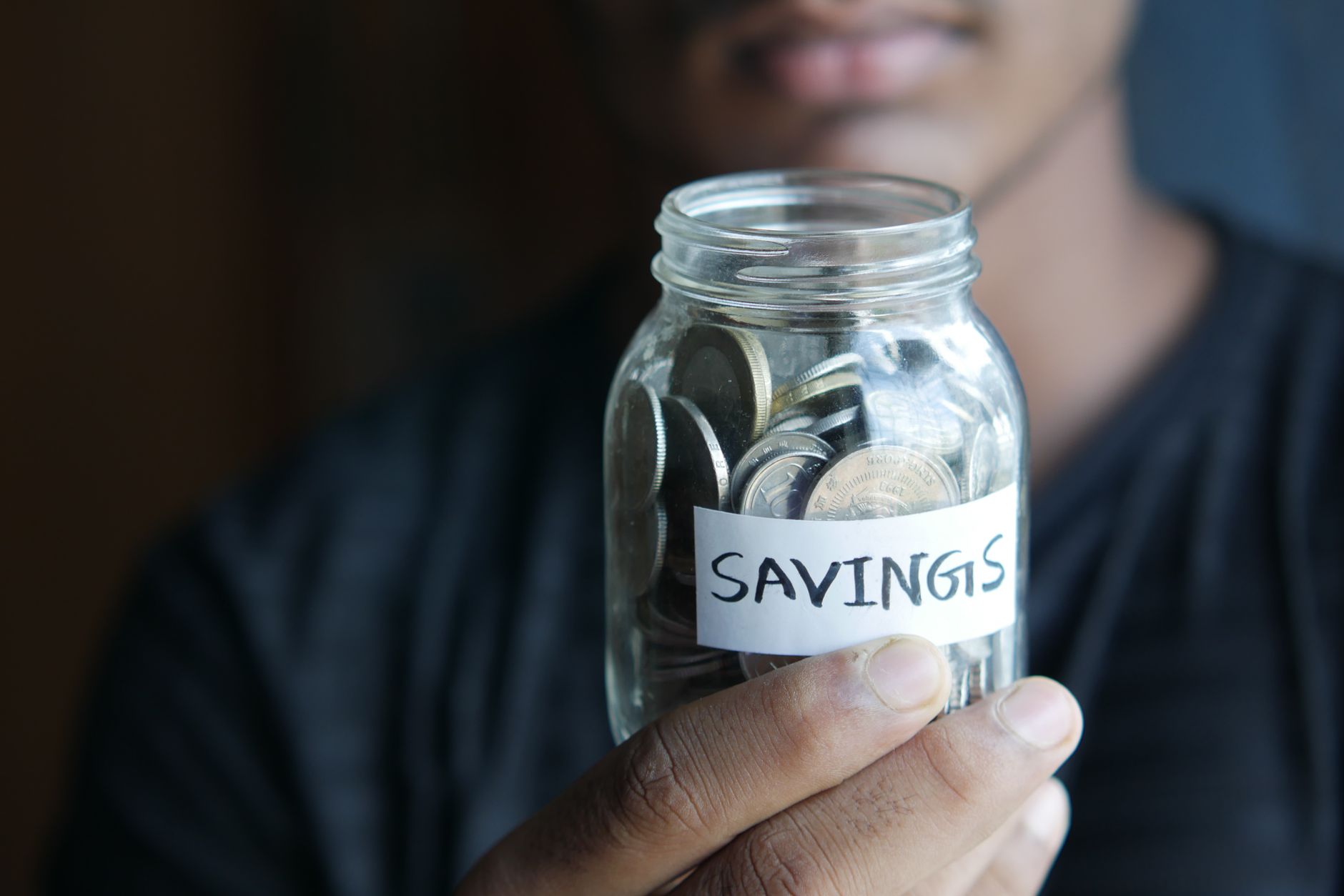
Vague frugality loses to a specific target every time. "Save more" has no finish line, so every purchase becomes a referendum on your character. "£3,000 by December 1st" is a project — and projects get planned, tracked and finished.
Work tends to expand to fill the time available, an observation usually credited to Parkinson. Spending behaves the same way: it expands to fill the money available unless something gives it a boundary.
Three rules that make the target work:
- Automate the transfer the day income arrives. Saving what's left over is the same as not saving.
- Track weekly, not daily. Daily tracking amplifies noise and kills morale.
- Give the money a job. "Emergency fund" survives temptation. "Savings" doesn't.
Progress visible in small increments is one of the most durable motivators researchers have found in workday-motivation studies. So make the number visible. A chart on the fridge beats a feeling.
Where saving stops being the answer
Saving fast has a floor, and pretending otherwise is dishonest. Below a certain income, the gap isn't discipline — it's earnings, and no amount of meal-prepping closes it. That's a different project with a different toolkit.
Cutting is finite; you can only reach zero. Earning and owning aren't. Once you've pulled the big three and the timing levers, the leverage moves to what you own and what you can build — the difference between things that pay you and things that charge you, covered in assets versus liabilities, and the longer arc laid out in how wealth actually gets built.
One more thing, said once and plainly: if money worry is keeping you awake for weeks, flattening your appetite or making ordinary days hard to get through, that's worth talking to a professional about. Financial stress is a health issue as often as it's a budgeting one.
So — how to save money fast: audit one month, cut the biggest line you can actually move, pull the timing levers this afternoon, and attach a number to a date. Skip the coffee sermon.
If the ceiling on cutting is what's frustrating you, The Compounding Flywheel is about the other side of the equation: why linear work sells your hours once, while assets, systems and channels keep earning after you've stopped touching them.
Frequently asked questions
What is the fastest way to save money in one month?
Cancel dormant subscriptions, renegotiate insurance and utilities, and make cheap home-cooked meals your default. These are the levers you can pull within days without anyone's permission. Larger housing and transport moves save more but rarely land inside 30 days.
Are small savings like skipping coffee pointless?
Mathematically they're minor, and psychologically they're expensive — they burn the willpower you need for bigger decisions. If a small cut costs you nothing emotionally, keep it. Just don't mistake it for a savings plan.
How much should I aim to save each month?
Pick a number you can hit for three consecutive months rather than an ambitious figure you'll abandon in week two. Consistency compounds; heroic months followed by collapse don't. Raise the target once the habit holds.
What if my income is too low to save anything?
Then saving isn't your bottleneck and no budgeting trick will fix it. The work shifts to raising income — skills, better-paid roles, or a second income line, which we cover in multiple streams of income. Treat it as a separate project with its own timeline.