Most non-fiction books are a 20-page idea wearing a 320-page costume
Why business and self-help books are so bloated, what that padding costs you, and how to extract the one idea you actually came for — without finishing the book.
Here is an uncomfortable thing to notice about your bookshelf: most of the non-fiction books on it could have been an essay. Not a snide tweet's worth of "could've been an email" — a real, well-argued, 20-page essay. Instead they're 320 pages, and you stalled somewhere around chapter four.
This is not your fault, and it's not a failure of attention. It's the predictable result of how books get made and sold. Once you understand the machinery, you can stop feeling guilty about the unfinished stack — and start getting what you came for in a fraction of the time.
The economics of padding
A book has to be a book. That sounds obvious, but it's the whole problem. Publishers need a spine thick enough to print a title on, a price point that feels worth $28, and a page count that signals "serious." A 40-page argument, however brilliant, doesn't fit the format. So the format wins.
A plain-English summary of Atomic Habits, for example, makes it easier to judge the argument instead of mistaking more examples for a stronger idea.
What fills the gap between the idea and the page count? Three things, mostly:
- Anecdotes that restate the thesis. You meet a Navy SEAL, a jazz musician, and a CEO, and each story arrives at the same conclusion you were told in the introduction.
- The literature review you didn't ask for. Pages establishing that the author has read the field, written for other authors as much as for you.
- Throat-clearing. "But first, we need to understand…" — a sentence that is almost always followed by something you already understand.
None of this is malicious. A lot of it is even pleasant. But pleasant and useful are not the same thing, and a reader who wants the second can drown in the first.
A useful test while reading: after each chapter, try to write the chapter's claim in one sentence. If you can — and you usually can — the remaining twenty pages were illustration, not information. Illustration is optional.
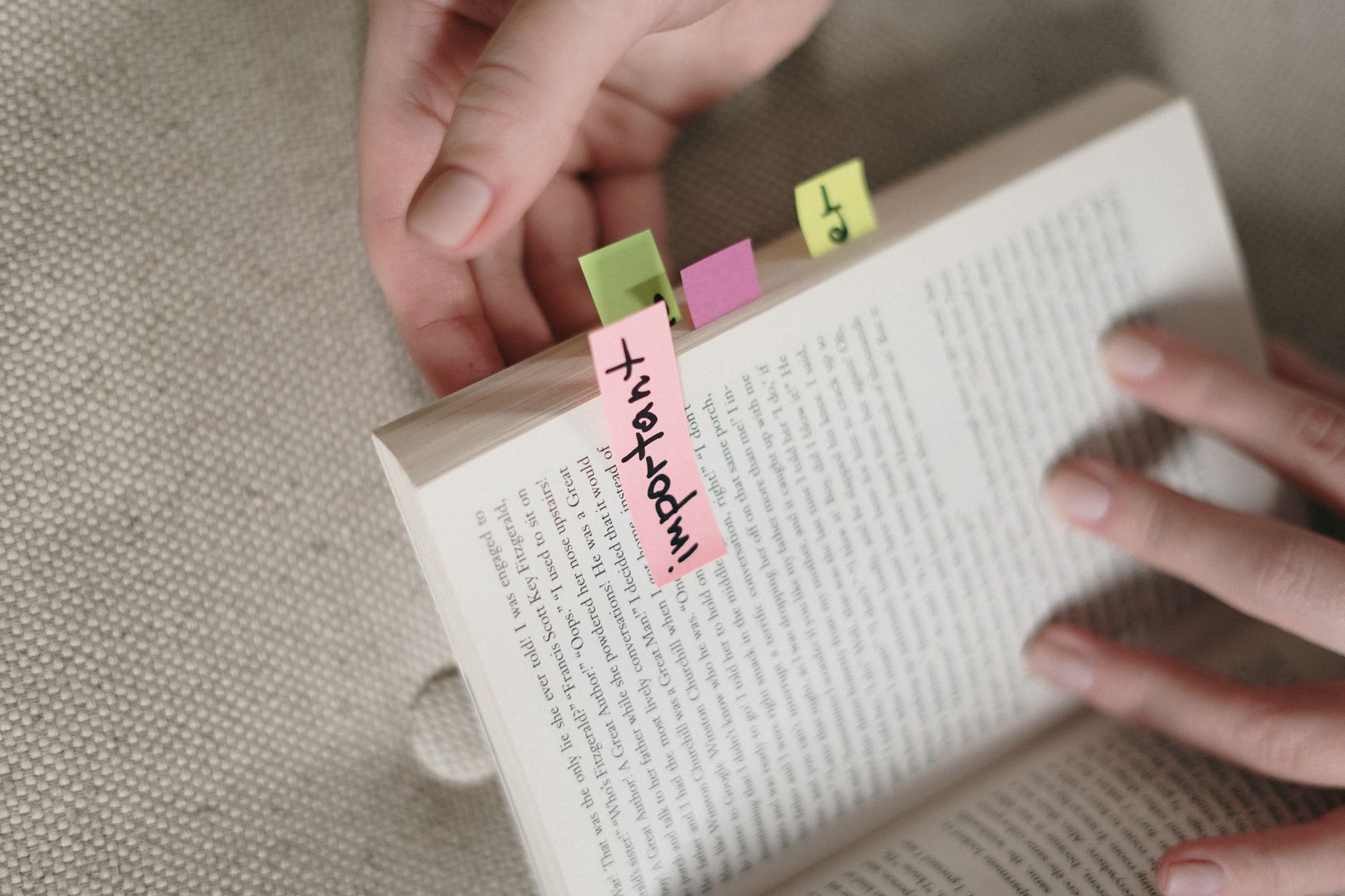
What the padding actually costs you
The obvious cost is time. The average non-fiction book runs 10–12 hours. If the load-bearing idea is 20 pages, you're paying nine hours of attention for one hour of substance. That's a bad exchange rate, and you make it with the most finite resource you have.
But there's a subtler, more expensive cost: padding hides the structure of the argument. When a single idea is stretched across 300 pages, you lose the shape of it. You can't see which claims support which, what depends on what, where the author is certain and where they're hand-waving. The argument becomes a mood instead of a model. You finish — if you finish — with a vibe rather than a tool you can use on Monday.
And then there's the guilt. The unfinished book becomes a small, standing accusation on the nightstand. Multiply by a stack, and reading starts to feel like a chore you're perpetually behind on, which is a strange thing to do to one of life's genuine pleasures.
How to extract the idea without reading the whole thing
You don't owe a book linear, page-one-to-page-end devotion. Treat non-fiction like a reference, not a novel. A few moves that work:
1. Read the architecture first
Read the table of contents slowly, then the introduction and the conclusion. Most non-fiction tells you its entire argument in those three places. By the time you reach chapter one, you should already know the thesis; the chapters are just defending it.
2. Hunt for the claims, skim the stories
Run your eye down each chapter for the sentences that make a claim — "X causes Y," "the mistake people make is Z." Those carry the information. The paragraph of anecdote underneath each one is there to make the claim memorable, and you can decide per-claim whether you need that.
3. Stop when the returns stop
There is no prize for finishing. The moment a book starts repeating itself — and bloated books repeat themselves constantly — you have extracted the idea. Close it. You're not quitting; you're done.
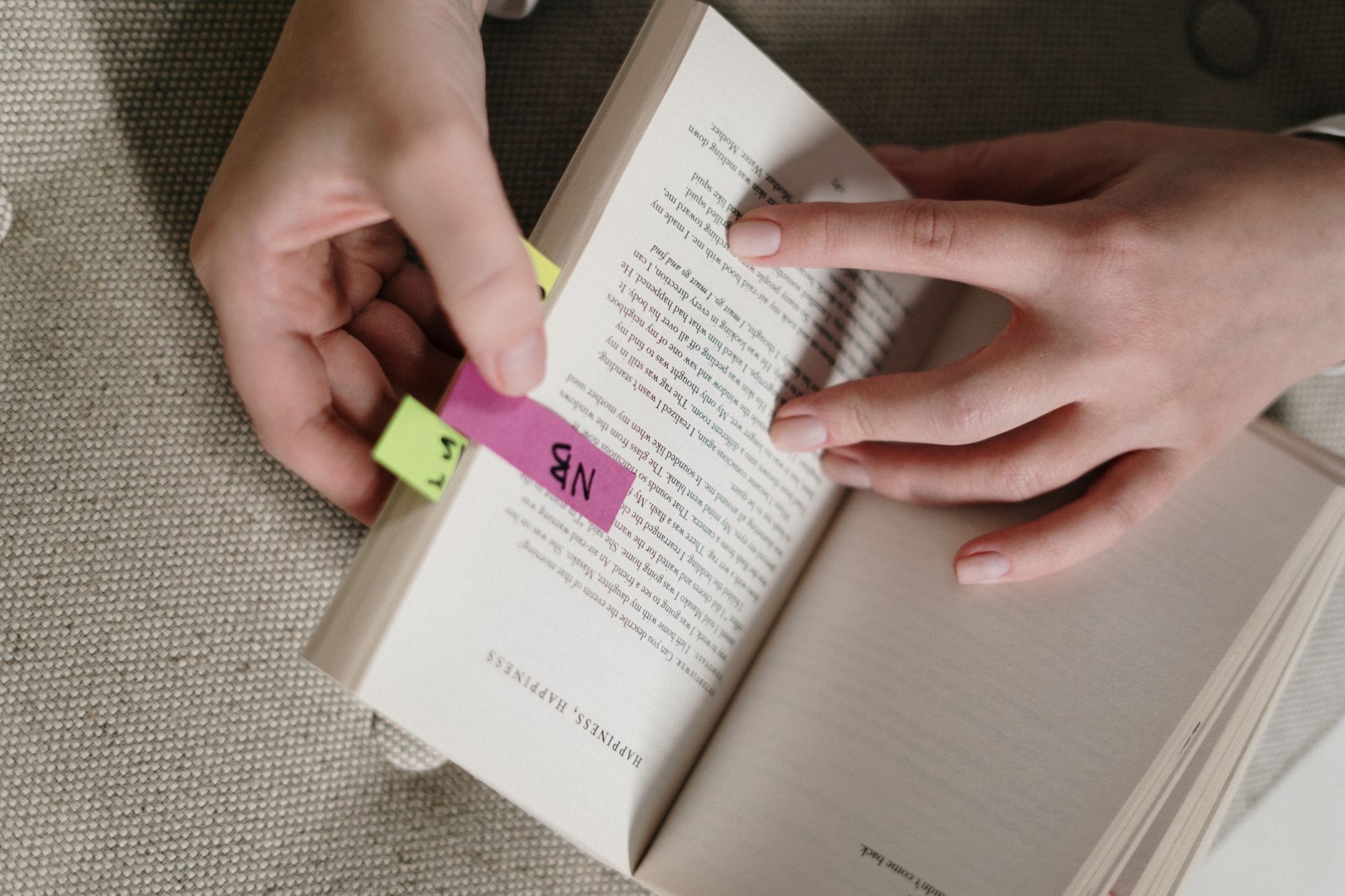
A 30-minute extraction you can run tomorrow
You can test a non-fiction book in 30 minutes and leave with a usable idea or a reason to stop. The output is one page you can act on, not a pile of highlights.
For the first five minutes, write the question that made you open the book. Make it concrete: not “How do I become productive?” but “What should I do before lunch when everything feels urgent?” Otherwise, every paragraph looks important.
Spend the next five minutes on the table of contents, introduction, and conclusion. Write the author's answer in one sentence. Your best guess is enough; the rest of the reading can confirm or correct it.
Use fifteen minutes on the two chapters most likely to answer your question. Read their openings and endings, then slow down for a mechanism, procedure, or important exception. Skip examples once you understand them. If the claim is about concentrating effort, compare it with what the 80/20 rule requires in practice instead of collecting more success stories.
In the final five minutes, write: “The claim is…”, “I believe it because…”, and “Tomorrow I will…”. Make the last line observable: “Choose one task before opening email,” not “Be more focused.”
This procedure can also tell you to keep reading. If the evidence is unfamiliar or the exceptions matter to your situation, read the relevant chapter in full. Extraction is a filter, not a way to pretend every book is simple.
The skill you're building isn't speed-reading. It's deciding what deserves your full attention — and giving everything else a glance instead of a vow.
The honest counterargument
Some books earn their length. A great history, a deep biography, a work of reported journalism — the detail is the value, and condensing it would gut it. The same is true of books you read for pleasure, where the time spent is the point. Plain, fast, and short is not always better; it's better when you're reading to understand something specific and the length is incidental to that goal.
The trick is to be honest about which kind of reading you're doing. A lot of the time, you're not reading a book. You're trying to answer a question — how do I actually handle this negotiation, this diagnosis, this decision — and the 320-page book is just the only package the answer came in.
And extracting an idea is not the same as living it. If the answer requires repeated action, consistency after motivation runs out matters more than one more hour of reading about why the action works.
That mismatch is the whole reason we make PlainReads. When you want to understand one thing well, you shouldn't have to buy nine hours of costume to get the twenty minutes of substance. You should be able to read the idea, plainly, and get on with using it. Do Only 3 Things a Day is that standard turned on ourselves: one system, the reasons it works, the traps that break it — and then it stops, because there was nothing else honest left to say.
So: be ruthless with your shelf. Read the architecture, hunt the claims, skim the stories, and stop when you're done. The goal was never to finish the book. It was to understand the thing — and that almost always takes less than you've been told.
Frequently asked questions
Why are most self-help books so long?
Most self-help books are long because a compact argument is expanded with stories, background, examples, and repeated applications. Some of that material helps a new idea stick, but you do not need every illustration once you understand the claim. Read for the mechanism and the useful exceptions, not for page-count completion.
How can I get the main idea of a non-fiction book quickly?
Read the table of contents, introduction, and conclusion first, then inspect the chapters closest to your actual question. Write the thesis in one sentence and note what evidence would change your mind. Only read deeply where the author supplies that evidence, explains how the idea works, or shows where it breaks.
Is reading a book summary as good as reading the whole book?
No, a summary is not always as good as the whole book, but it can be enough for orientation or a simple decision. A summary usually loses nuance, evidence, voice, and exceptions. Use it to decide whether the full argument deserves your attention, not as proof that you have mastered the subject.
Is it okay to stop reading a book halfway through?
Yes, it is okay to stop when the book no longer serves the reason you opened it. Before quitting, write down the central claim, one useful action, and any unanswered question. If that question matters, jump to the relevant chapter; if it does not, closing the book is a completed decision, not a failure.