Firefighter Interview Questions: The Oral Board, Decoded
The firefighter oral board is a scored panel, not a conversation. Here are the question families, the answer structure that scores, and what candidates get wrong.
Firefighter interview questions come through a structured oral board: two to five panellists, identical questions for every candidate, a scoring rubric, a hard time limit per answer. You are not being met — you are being scored. Most candidates fail on structure and delivery, not content — they answer like it's a chat while the panel fills in a numbered sheet.
Fix the delivery and you jump ranks without learning anything new about the fire service.
How a firefighter oral board actually works
The oral board is a standardised, weighted exam that happens to use your mouth. A panel reads pre-written questions verbatim, scores each answer against defined criteria, and averages the results into a ranked eligibility list. Practices vary by department and country; the structure rarely does.
What that means for you:
- The panel cannot help you. They usually can't rephrase or hint. Silence is procedure, not disapproval.
- Every candidate hears the same words. Your advantage is never information; it's organisation.
- Time is scored. Three to five minutes per question is common; a nine-minute answer loses points and squeezes everything after it.
- The rubric rewards completeness. Three-part question, three-part answer. Miss one and the other two can't rescue you.
- Rapport is a tiebreaker, not the exam. Warmth helps at the margin. It does not rescue a shapeless answer.
The answer shape that scores: frame, action, outcome, learning
Use four beats: a one-sentence frame, the actions you took, the outcome, and what you carried forward. It fits inside three minutes, hits the rubric's usual buckets, and stops you wandering.
Scorers listen for evidence, not narrative. The frame signals what's coming, the actions give them something to check off, the outcome proves it was real, and the learning shows self-awareness — what separates a candidate with potential from one with a story.
The common failure is ninety seconds of setup — the weather, who was there, the shift's history — and thirty seconds on what you did. Invert it. Frame in one sentence, then get to your hands.
For the mechanics, our STAR method with worked examples covers this skeleton in depth; the behavioral interview questions guide shows how panels weight past behaviour over hypotheticals.
The question families you will face
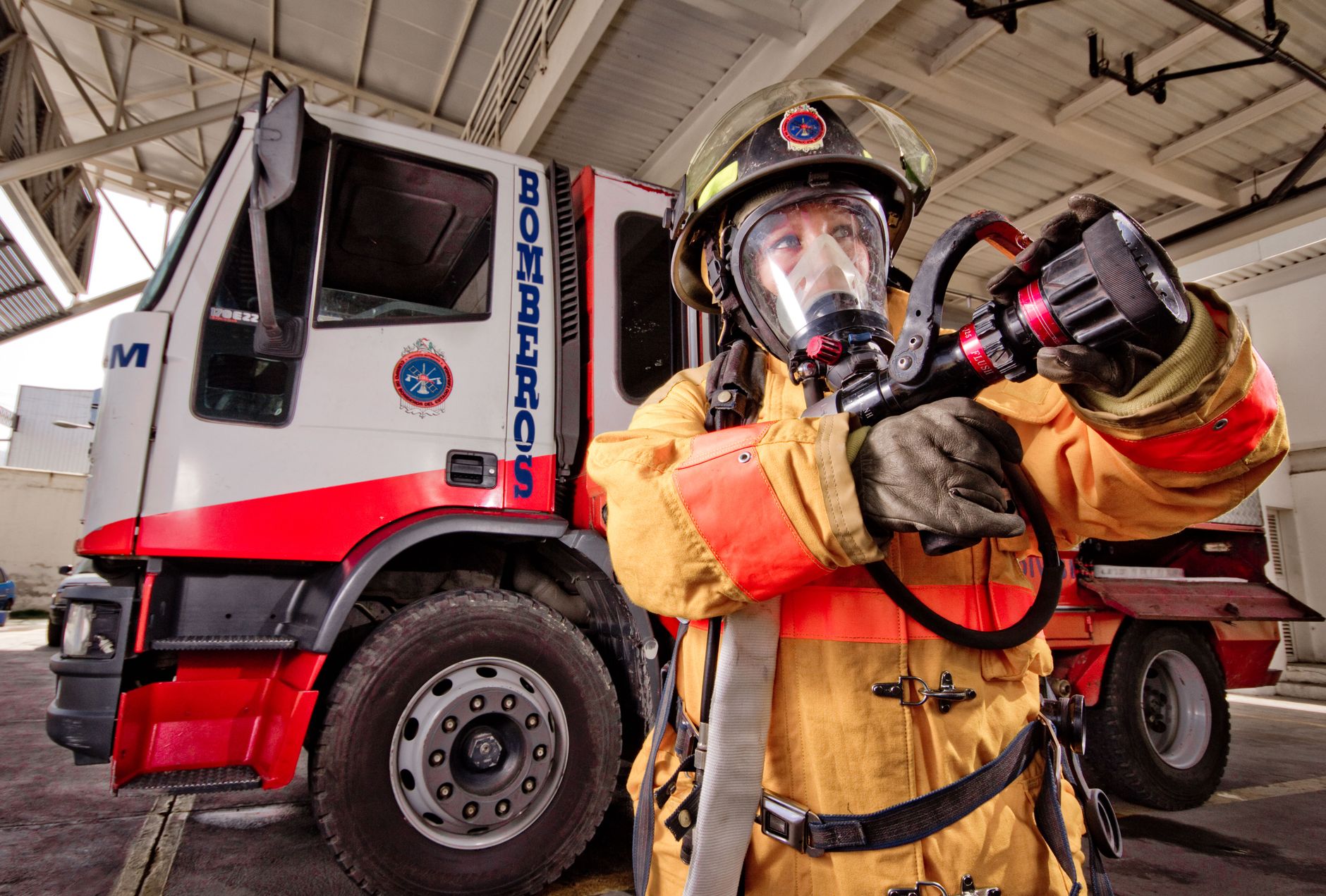
Nearly every firefighter oral board draws from six recurring families: why this department, station life, integrity, a questionable order, community service, and readiness. Learn the families, not scripts — scripts collapse the moment the wording shifts.
Two catch people out: station life is a housemate audition, and most calls are not fires but someone on the worst day of an unremarkable life.
The integrity questions carry more weight than candidates expect. Departments aren't hiring for a probationary year — they're hiring for a twenty-five-year career where you'll be in strangers' bedrooms unsupervised at 3am. Fumble a tactical question but answer integrity cleanly and you still outrank the reverse.
| Question family | What it actually tests | What a strong answer contains |
|---|---|---|
| Why this department | Homework, realism, retention risk | Two or three specific facts; why they matter to you; an honest local tie |
| Teamwork and station life | Livability over 24-hour shifts | A real friction story; how you lowered the temperature; willingness to do the chores |
| Integrity scenario | Whether ethics survive social cost | Immediate, unhesitating position; the specific action; open acknowledgement of the social cost |
| Questionable order | Chain-of-command literacy plus spine | Clarify; voice it up the chain; comply if lawful and safe; refuse and report if not; document |
| Community service | Attitude to the 80% of calls that aren't fires | A helping story with no adrenaline in it; respect in non-emergencies |
| Readiness | Sustainability and self-awareness | Concrete current routine; honest stress handling; peer support; no invincibility act |
| Weakness or failure | Coachability | A genuine weakness; the mechanism that manages it; evidence it improved |
Print this. Draft one answer per row. That's your prep.
Why "why do you want to be a firefighter" needs a boring answer
Answer with something specific and unglamorous — a concrete exposure to the work, what you learned, why the daily reality suits you. The heroic answer is the weakest answer in the room, because the panel has heard "I want to help people" four hundred times and it predicts nothing about who quits in year three.
What scores is evidence you understand the job as a job: the 3am medical call for someone lonely, the hose testing, the paperwork, the endless training. Say you've seen the ordinary version and still want it, and you've said something nobody else did.
Three tests for your answer:
- Could another candidate say it word for word? If yes, rewrite.
- Does it contain one thing that only happened to you? A ride-along, a family member's station, a wildland season, an EMT shift.
- Does it survive a follow-up? If they ask "what surprised you about that," you need an answer.
The same discipline applies to the panel's opening question — answering tell me about yourself is the general-purpose version of this rule.
The questionable-order question, handled properly
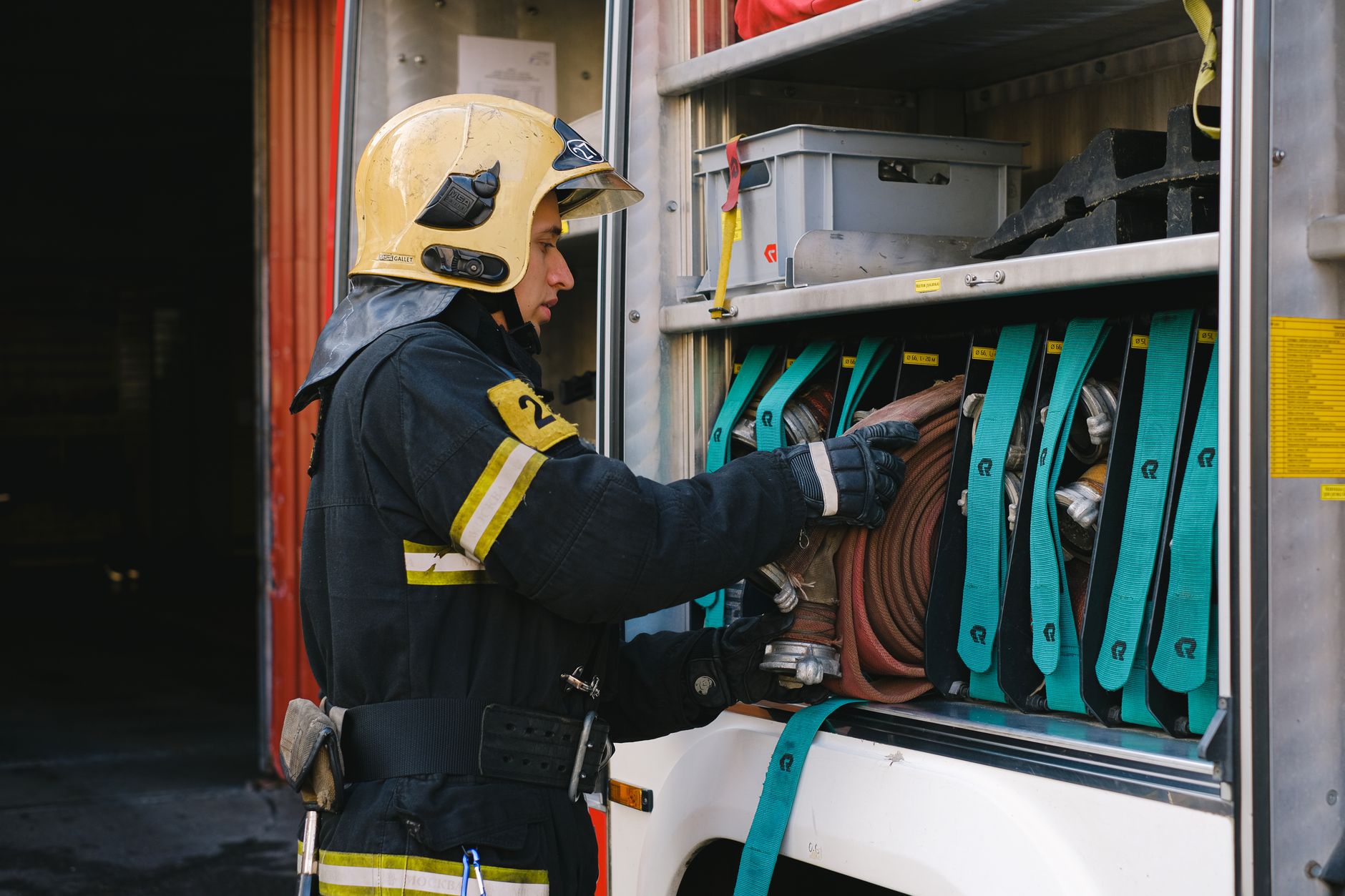
Answer it as a sequence, not a stance: clarify, voice the concern, comply if lawful and safe, refuse and report if it isn't, document afterward. Do not pick a side between obedience and independence.
Where candidates go wrong:
- Instant refusal. Reads as someone who will freeze the fireground with debate.
- Blind compliance. Reads as someone who will follow a bad order into a collapse zone.
- Skipping clarification. Most questionable orders are incomplete information; one question resolves the majority and shows composure.
Then add timing: on scene you raise it fast and briefly; after the call you raise it fully. That distinction alone signals fireground literacy.
Preparing without turning into a robot
Prepare the shape, not the script. Write bullets for each family — never full sentences — and rehearse aloud with a timer until you hit four beats in under three minutes without reading.
A workable seven-day prep:
- Days 1–2: Research the department — stations, call volume, service model, recent initiatives, community.
- Days 3–4: Draft one bulleted answer per row of the table.
- Day 5: Record yourself. Cut every sentence that sits before the frame.
- Day 6: Mock board with someone willing to be cold and silent. Time it.
- Day 7: Rest. Confirm logistics, uniform, route, arrival time.
Bring two or three questions — training pipelines, probation expectations, crew assignment. Good questions to ask the interviewer score as interest and are one of the few unscripted moments where you sound like a person. Dress conservatively; clean business attire is the default.
The bottom line
Firefighter interview questions are predictable in family and merciless in format. Learn the six families, drill the four-beat structure, treat integrity as the questions that matter most, and give a specific, unheroic reason for wanting the job. Delivery is the variable you control, and the one most candidates ignore.
For the same discipline across the whole hunt — positioning, resume, panel, offer — Land the Offer with AI is a step-by-step playbook with copy-ready prompts and one rule we won't bend: AI is an amplifier, not a ghostwriter, and everything you claim has to survive the room.
Frequently asked questions
How long should each oral board answer be?
Aim for two to three minutes, rarely past four. Panels typically allot three to five minutes per question, and a long answer eats the time you need later. Cover all parts, then stop talking.
Should I memorise answers word for word?
No. Memorised answers sound recited and break when the panel rewords a question. Memorise the four beats — frame, action, outcome, learning — plus three or four keywords per family, and let the sentences form live.
What if I have no fire service experience yet?
Use the transferable version honestly. Warehouse crews, kitchens, military service, construction, and retail all produce real stories about teamwork under pressure and unglamorous chores. Panels penalise inventing experience, not lacking it.
Do I send a thank-you note after a firefighter oral board?
Sometimes — it depends on the process. Many civil-service processes are formally scored and a note changes nothing; some departments still appreciate a brief, professional one. Keep it short and factual — our thank-you email guide covers the format, and every panel-question breakdown sits in our interview questions hub.